

Trump’s Gateway Tunnel move risks ‘catastrophic’ fallout, Andy Kim warns
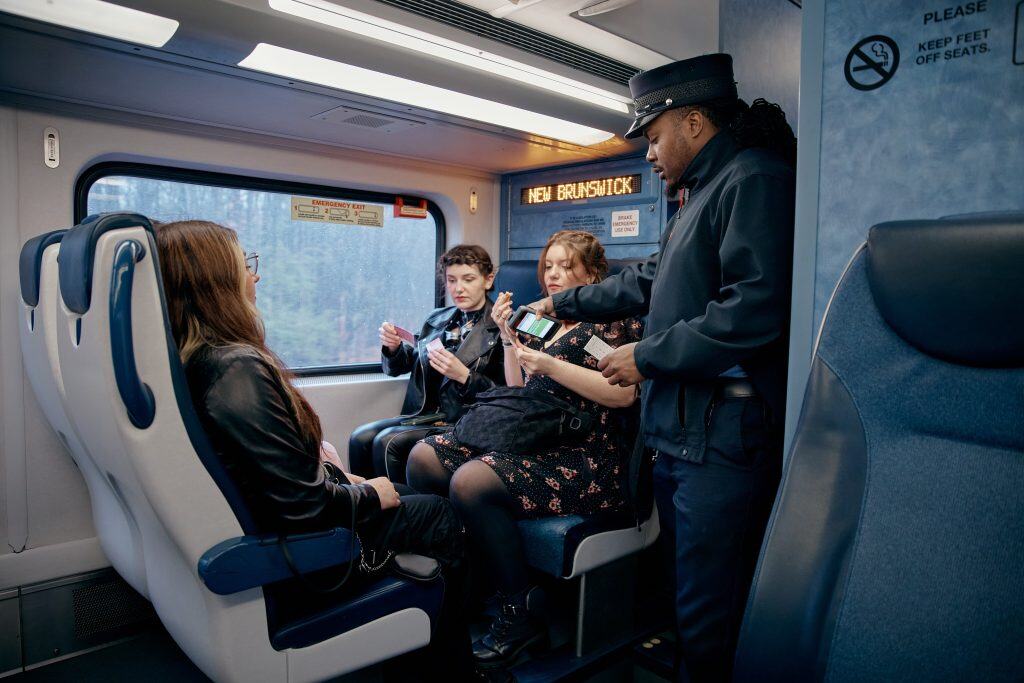
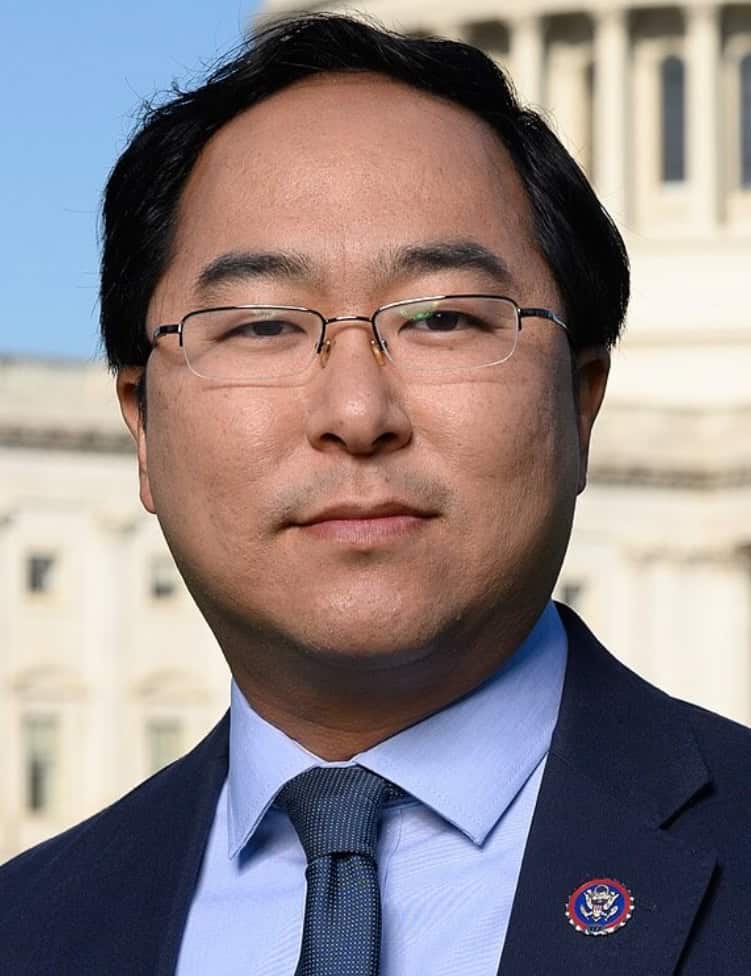
New Jersey Sen. Andy Kim said he’s still in the dark about the future of the Gateway Tunnel Project after President Donald Trump declared it dead in the water. The senator again warned of “catastrophic” consequences if the Hudson River crossings aren’t built.
The Gateway Program is a vast, multibillion-dollar rail infrastructure effort designed to modernize the busiest stretch of the Northeast Corridor, the rail line connecting Washington, D.C., to Boston. At its core is the construction of new rail tunnels beneath the Hudson River and the rehabilitation of existing ones that carry tens of thousands of New Jersey commuters daily. Supporters call it the most critical transportation project in the United States, arguing that without it, the region’s economy and rail network could face years of disruption.
“Nobody knows what’s happening,” a frustrated Kim told The Jersey Vindicator in an exclusive interview. “This is one of the largest construction projects in the world. We have workers working on this every day, and they deserve to know with certainty that this work’s going to continue.”
“You have all these people in New Jersey—Republicans, Democrats, mayors and others — who are reaching out to me like, ‘What is happening?’” he continued. “But we’re not getting a clear answer from this administration … It’s absolutely crazy.”
Work had already begun on the $16 billion, 9-mile passenger rail link to Manhattan’s Penn Station when Trump—in an apparent act of political revenge against New York Sen. Chuck Schumer—said it was “terminated” during an Oct. 15 press conference.
“The project in Manhattan … It’s billions and billions of dollars that Schumer has worked 20 years to get,” Trump said. “It’s terminated. Tell him it’s terminated.”
But last week, U.S. Transportation Secretary Sean Duffy implied that wasn’t the case.
The federal government was “in the process of doing a review” because of concerns the project doesn’t comply with new federal rules about how contracts are distributed to disadvantaged businesses, he said during a press conference at LaGuardia Airport in Queens.
But his staff has been furloughed because of the lengthy government shutdown, he said, slowing the process to a glacial pace.
“I’ve talked to local senators who’ve expressed their concerns, and I hear their concerns,” Duffy said. “But again, this is really easy: Open up the government, let my staff come back in, let’s do the reviews, and if there’s compliance, we’re going to move forward without delay.”
The secretary’s comments further confused an already bewildering situation that’s left members of both parties scratching their heads.
“With what Duffy said … if it’s not terminated, they should clarify that,” Kim said.
But he’s not happy with Duffy’s remarks either, because they seem to be endangering the project’s funding in an entirely different way.
“Even beyond what Trump said, I have concerns about what’s moving forward at the Department of Transportation,” Kim said. “If [the contracts] are a real concern, why does it seem like they’re only pausing Gateway? Surely that would mean that everything in the country would stop.”
The Transportation Department did not respond to a request for comment.
In a Friday email, Thomas Prendergast, CEO of the Gateway Development Commission, said the bistate agency had been notified about the “pause in disbursements for the Hudson Tunnel Project.”
“[The commission] complies with all federal laws and regulations and will continue to do so throughout the project,” Prendergast wrote. “In the meantime, we remain focused on keeping the project on scope, schedule and budget.”
“This is one of the largest construction projects in the world. We have workers working on this every day, and they deserve to know with certainty that this work’s going to continue.”
Senator Andy kim
“Catastrophic” consequences
The sweeping Gateway Program includes a multitude of projects, including the construction of the new two-tube Hudson River Tunnel; the rehabilitation of the 115-year-old North River Tunnel, which was damaged during Hurricane Sandy in 2012; and the replacement of several old, failing bridges, among other things.
It will also create a Secaucus/Bergen Loop that will finally let NJ Transit riders take a nonstop trip to New York Penn Station instead of switching trains at Secaucus Junction.
Proponents have said the project will be a boon for the metro area, which is home to the Northeast Corridor’s busiest, most congested section—the 10-mile stretch of rail between Newark and New York that sees 200,000 passenger trips and 450 trains hurtle back and forth each day.
“The Gateway Program will improve reliability and, when the entire program is completed, expand capacity along this stretch of the [Northeast Corridor] by replacing and updating rail infrastructure assets that, in many cases, are over 100 years old,” according to information on the commission website.
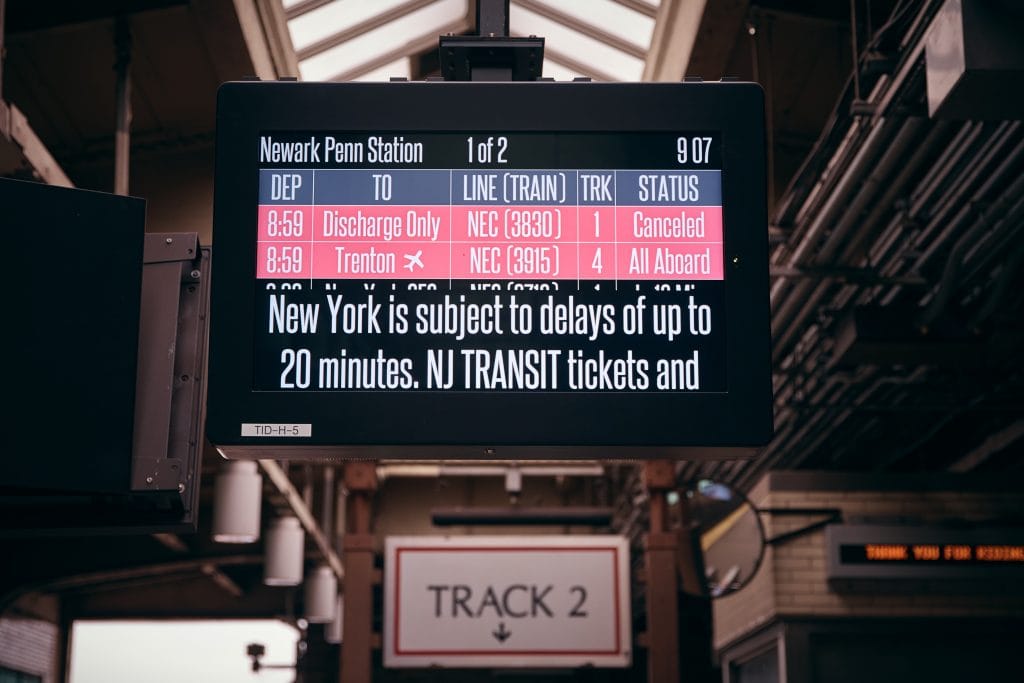
The project is set to be completed in 2035.
The keystone of it all, of course, is the Hudson Tunnel Project, which would double the number of rail tunnels to four from two and let 48 trains an hour travel between Newark and Manhattan.
The impacts of that can’t be overstated, Kim said.
“That’s a game changer—such a big game changer that they’re estimating Gateway could bring economic growth of $400 billion just in its first 15 years of operation,” Kim said.
If Trump actually kills the project, the results would be catastrophic for commuters and everyone else heading into and out of the city.
“The worst-case scenario is that we don’t move forward with the Gateway Tunnel Project and the existing tunnels have some type of safety hazard because of how old and failing they are, to the point where rail travel between New York and New Jersey gets severed for a period of time,” Kim said.
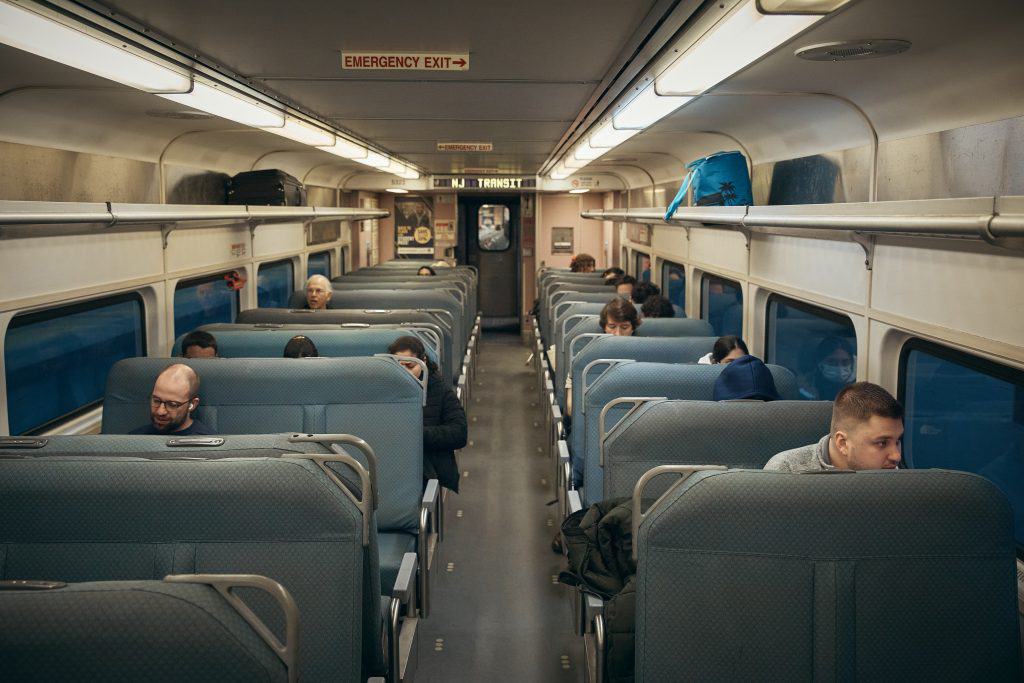
“We saw some of this during the NJ Transit debacle last summer,” he continued. “Now imagine that for more than just a couple of hours. It would basically sever train travel up and down the busiest and most economically central region of our country.”
For now, the project is moving forward at several sites in New York and New Jersey as workers bore the first new train tunnels under the Hudson in nearly 120 years.
And Kim said he will continue to push the administration to clarify its intentions and appeal to his Republican colleagues to rebuke Trump’s decision.
“If we get to the place where we’re cherry-picking things and cutting programs just to screw over our opponents, that’s wrong, and people know that’s wrong,” Kim said.
He urged citizens to call their representatives and demand clarity on the project’s future, and declare that anything that slows or freezes the work is “unacceptable.”
“I want to come to a solution here that can keep the funding going,” Kim said. “But the president very much framed this as political retribution against Democratic leaders. If that’s the case, it’s an unbelievably dangerous and reckless action.”
“I was of the mindset that when a president says something, that’s policy,” he continued. “If that’s not the case, then I don’t know how to handle working with this White House if I can’t take the president’s word.”
“This isn’t political; this is about delivering for our constituents,” Kim said. “I wish the White House acted like it.”
If this reporting helped you understand something important about New Jersey, consider supporting it.
The Jersey Vindicator is an independent, nonprofit newsroom focused on accountability and transparency. Our reporting is funded by readers — not corporations, political insiders, or big advertisers.
Reader support makes this work possible — and helps ensure it continues.

Steve Janoski is a multi-award-winning journalist whose work has appeared in the New York Post, USA Today, the Associated Press, The Bergen Record and the Asbury Park Press. His reporting has exposed corruption, government malfeasance and police misconduct