


Murphy restores jury service eligibility for people with past convictions in New Jersey
Executive order lifts jury exclusions for residents who’ve completed sentences, broadening jury pools, renewing calls for a permanent legislative change
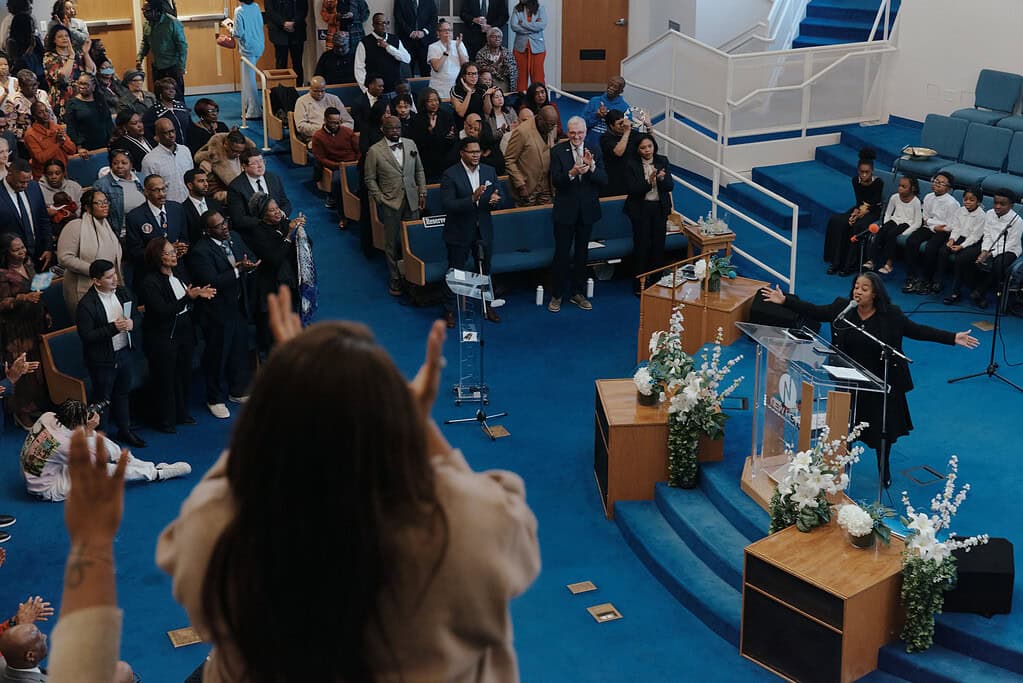
Gov. Phil Murphy signed an executive order Sunday restoring jury service eligibility to hundreds of thousands of New Jersey residents who were previously barred for life because of certain criminal convictions, a change supporters say will make jury pools more diverse, and juries more representative of the communities they serve.
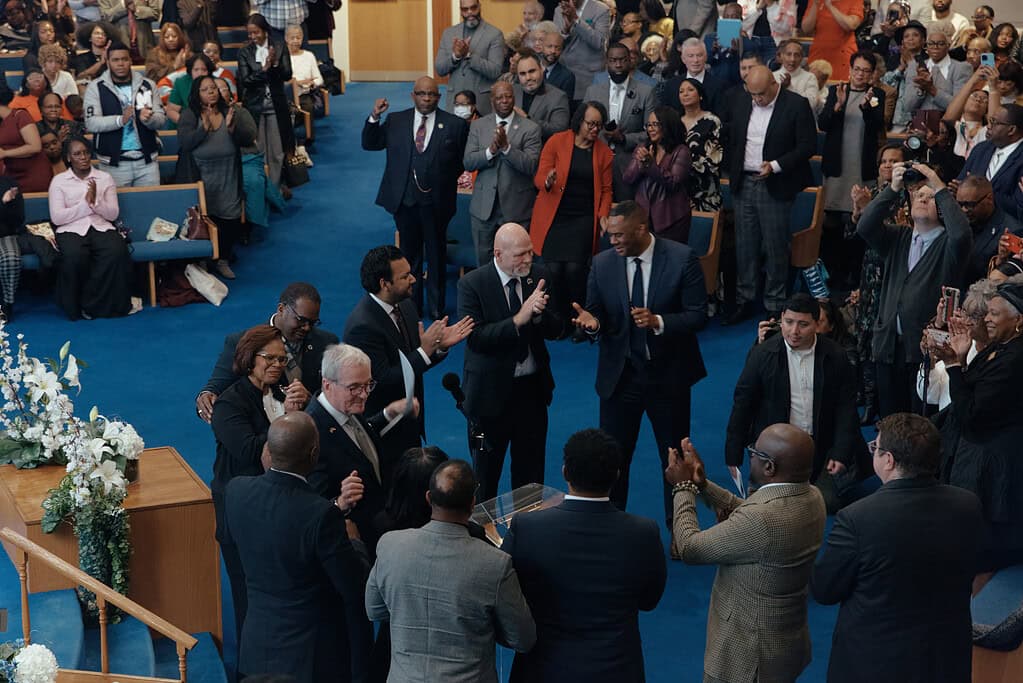
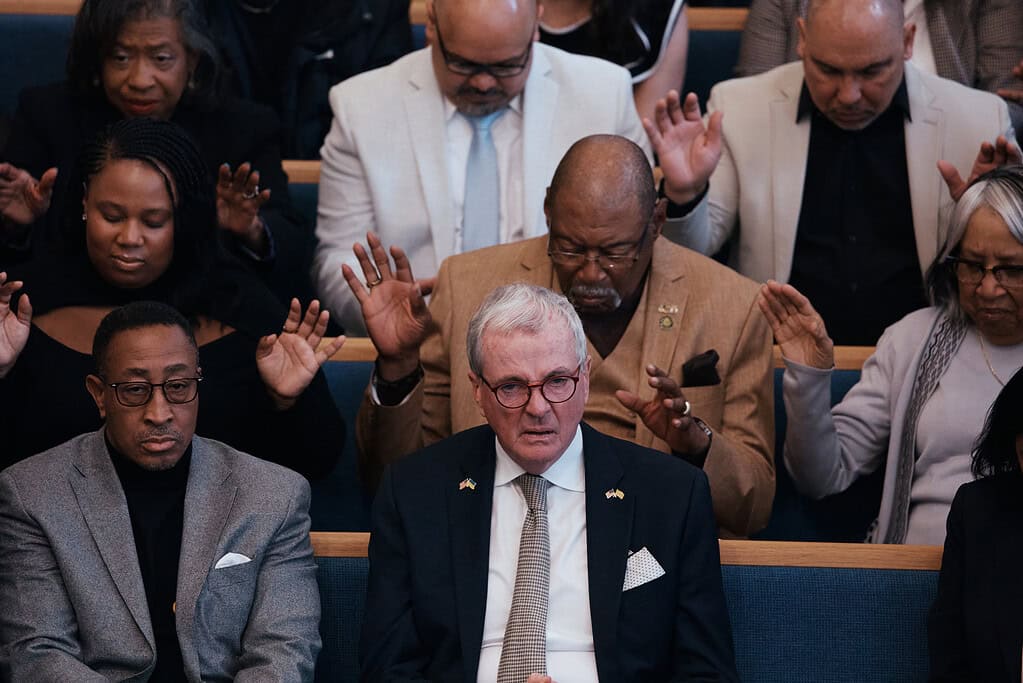
Murphy signed the order at New Hope Baptist Church of East Orange, calling jury service a core responsibility of citizenship and arguing that permanent exclusions weaken public confidence in the courts.
“Serving on a jury is a defining expression of citizenship,” Murphy said, describing the order as a way to strengthen faith in a justice system that relies on everyday residents to weigh evidence, deliberate, and reach verdicts.

The executive order ends New Jersey’s lifetime ban on jury service for people convicted of indictable offenses under state law who have completed their sentences, including incarceration as well as probation, and parole. The change is retroactive, meaning it applies to past convictions and takes effect immediately for eligible residents who were previously disqualified for life.
Supporters estimate the order affects more than 350,000 residents statewide — a large enough shift, advocates say, to change who gets called for jury duty and who ends up seated in the jury box.

Why the change matters
Federal law and U.S. Supreme Court precedent require jury pools to reflect a “fair cross-section” of the community. Advocates argue that New Jersey’s long-standing practice of permanently excluding people with certain convictions made it harder for jury pools to reflect the community, especially because many of the excluded residents live, work, pay taxes, raise families and vote in the same places where they would otherwise be eligible for service.
A policy brief Jury of Our Peers, released by the New Jersey Institute for Social Justice, argued that categorical lifetime exclusions shrink jury pools and distort participation in one of the justice system’s most public-facing institutions. The report also points to research suggesting that juries made up of people with a wider mix of life experiences tend to deliberate longer, consider a broader range of information, and reach better-reasoned decisions than more homogeneous groups.
Murphy argued that the issue is not simply about restoring an opportunity to individuals, but about strengthening the legitimacy of verdicts and the public’s trust in the courts.
“When we permanently exclude people from civic life, we weaken the system for everyone,” he said.
How it works and what it doesn’t do
Murphy’s order restores eligibility only for people with disqualifying convictions under New Jersey law. It does not apply to people with disqualifying convictions under federal law or the law of another state. It also does not guarantee that any particular person will serve on a jury.
Even if someone is eligible to serve, judges and attorneys still use the normal jury selection process, known as voir dire, to question prospective jurors and remove anyone they believe cannot be fair or impartial in a specific case.
Murphy emphasized that point in defending the order, saying it does not eliminate safeguards designed to ensure impartial juries.
“This doesn’t erase the jury selection process,” he said. “It ends a blanket lifetime exclusion.”
The order also does not create a permanent, forward-looking change to state law. Because clemency powers address past conduct, the order applies to convictions that occurred before its effective date. People convicted in the future would still face disqualification unless the Legislature changes the statute or a future governor takes similar action.
ACLU praises “second chances” approach, urges lawmakers to act
The ACLU of New Jersey applauded Murphy for using clemency powers to expand jury eligibility to people with state convictions who have completed their sentences, calling the order “another historic milestone” in the administration’s work supporting second chances and addressing systemic problems in the criminal legal system.
Amol Sinha, executive director of the ACLU of New Jersey, said restoring eligibility helps people rejoin civic life and strengthens the justice system.
“We believe people deserve second chances, and that includes being able to once again participate fully in civic life,” Sinha said. “Jury service is a pillar of democracy, and one of the most meaningful opportunities for people to engage in the democratic process.”
Sinha said the order will help repair harms caused by excluding “returning citizens” from jury duty and called on state leaders to pass legislation that permanently ends lifetime exclusions.
“We celebrate the signing of this executive order,” he said, “and urge New Jersey leaders to continue to build a more fair and representative democracy for all by codifying a permanent, forward-looking, and inclusive right to serve on a jury.”
A long-running debate in New Jersey
New Jersey briefly moved away from lifetime jury exclusions decades ago. In 1995, the state passed a law allowing people convicted of indictable offenses to serve on juries after completing their sentences. In 1996, lawmakers reinstated the lifetime ban, citing concerns — disputed by advocates — that people with convictions would be biased against law enforcement and the justice system.
Supporters of Murphy’s order argue the concern is misplaced because the voir dire process already exists to identify potential bias in any prospective juror, regardless of background. They also point to studies from other states suggesting the public does not overwhelmingly oppose allowing people with felony convictions to participate in juries.
Murphy said New Jersey is joining a growing number of states that have narrowed or eliminated lifetime exclusions.

Opposition from Republicans
Some Republican lawmakers have criticized the move, arguing Murphy is acting unilaterally after similar proposals have stalled in the Legislature.
Sen. Michael Testa said the Legislature rejected the proposal in 2023. He accused Murphy of imposing his agenda “by executive fiat.” Testa argued that jury eligibility standards are set by statute and that Murphy lacks the authority to rewrite them through clemency.
“The separation of powers matters,” Testa said in a written statement, describing jury service as a civic duty that should not be conferred lightly on people convicted of serious crimes.

What’s Next
Murphy defended the order as a lawful use of his clemency powers on Sunday and said the goal is to strengthen the justice system by expanding participation while leaving existing safeguards in place. He signed the order with fewer than 10 days left in his term, making it effective immediately for eligible residents with past New Jersey convictions.
Because the order does not change the law going forward, supporters say they will continue to press for legislative reform so that jury pools look more like New Jersey and the justice system draws on a wider range of community voices.


Krystal Knapp is the founder of The Jersey Vindicator and the hyperlocal news website Planet Princeton. Previously she was a reporter at The Trenton Times for a decade.