


Perth Amboy worker’s whistleblower suit alleges retaliation for raising insurance bidding, pay-to-play concerns
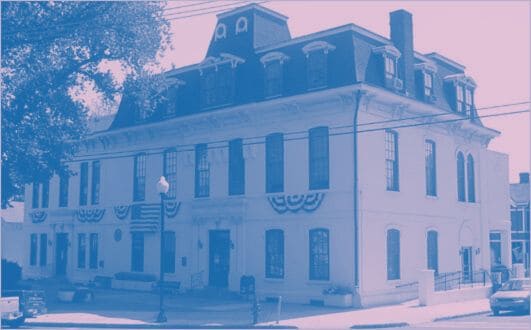
Maria Rivera had distinguished herself in 20 years of service to the city of Perth Amboy, where she had risen from a part-time worker to the head purchasing agent.
In administering millions in public contracts, Rivera won a reputation as a hard and honest worker and eventually was named North Jersey chapter chair of the National Institute for Government Purchasing.
But in June of last year, Rivera was fired after pointing out that the city’s insurance broker was in violation of bidding practices and state pay-to-play laws.
Rivera’s story is found in a whistleblower’s lawsuit now making its way through the Superior Court in Middlesex County. In the lawsuit against the city, Mayor Helmin Caba, Business Administrator Talib Aquil, and City Director of Law William Opel, which was filed late last year and was first reported by My Central Jersey on Jan. 13, Rivera says she was approached by state and federal agents investigating the city’s insurance contracts.
The case is significant because it echoes broader allegations of waste and fraud associated with insurance brokers and their lucrative role in bringing health care coverage to local government workers across New Jersey.
In recent months, both the state comptroller’s office and the state auditor have issued new reports detailing how the awarding of health benefit contracts in many towns and school districts violates state law and is marred by conflict of interest among private vendors who work for and manage local insurance funds.
Rivera, in her whistleblower suit, says her trouble started in March 2024 when she raised questions about an insurance brokerage proposal submitted by Thomas Hudanish, a former city police officer who was a friend of Perth Amboy officials. She told her superiors that the Hudanish proposal had “numerous problems” and did not comply with an official “request for proposals” the city had published.
She also told her superiors that she discovered Hudanish had made $5,200 in contributions toward the 2024 reelection campaign of Mayor Helmin Caba, who had formerly served on the city council. The contributions, she pointed out, violated state pay-to-play laws regarding political donors and public contracts.
Perth Amboy officials responded to her complaints by reissuing the RFP and allowing Hudanish to fix issues Rivera identified in his proposal. In addition, the city scrapped rules that had forbidden insurance brokers from charging commissions. According to the lawsuit, those rules had been in place for more than a decade following an earlier scandal involving a city insurance broker.
In 2012, insurance broker Francis Gartland was sentenced to 7.5 years in prison for stealing $2.6 million from the Perth Amboy school board. Gartland, who had been a prodigious contributor to local politicians, admitted that from 2003 to 2009, he billed the school district for an employee fitness program that did not even exist.
Gartland and another insurance broker admitted directing thousands of dollars of donations to former Mayor Joseph Vas in order to ensure that Gartland’s companies would continue to receive insurance contracts from the city of Perth Amboy.
The Gartland scam was part of a series of revelations that eventually led to the 2015 official misconduct conviction of Vas, a powerful Democrat who was sentenced to eight years in prison. Issues with insurance coverage began to surface again, however, after the election of Mayor Caba, the lawsuit claims.
Despite her continued objections to the insurance brokerage contract with Hudanish, Rivera says, top city officials pressed forward. During the meeting of a review committee Rivera had formed to compare various brokerage proposals, she claims one city official essentially told her the fix was in.
“We all know Tommy (Hudanish) is getting the contract,” Business Administrator Michael Greene said, according to the lawsuit. “You know how it is, those who contribute to campaigns get the contracts.”
The lawsuit says that the FBI first contacted Rivera in February 2024 and told her federal and state agents were looking into alleged corruption regarding Perth Amboy’s insurance contracts. A month later, the suit says, she met with the agents in her home and subsequently provided them with documents.
Calls to the state attorney general and the U.S. Attorney’s Office in Newark were not returned for this story. Neither Hudanish nor the city of Perth Amboy responded to messages.
Rivera, who says she recently suffered a stroke related to her dismissal from Perth Amboy, is seeking lost pay, compensatory damages, and other relief.
State watchdogs have issued warnings about insurance broker abuses in New Jersey for nearly 20 years. But little has been done to reform the system, watchdogs say, because brokers make large political donations to local political leaders who control public contracts.
Investigators for the state found that insurance brokers often benefit from secret back-end deals with insurance carriers that drive up the cost of coverage for teachers and other municipal employees.
One state audit published in December that focused on the Perth Amboy schools found the district lost $49.1 million in savings between 2020 and 2024 because of an overreliance on insurance brokers who work on commission. The investigators said cheaper alternatives for coverage are available from the state-run benefits system, which is the largest in New Jersey and does not use brokers.
State law says that every year, school districts must examine employee health insurance coverage options and choose the cheapest plan.
But the investigators found Perth Amboy and its broker, Brown & Brown, did not do a cost comparison from 2020 through 2023. When the district finally ran the comparison in 2024 and found it could save substantially by joining the state health plan, the analysis came too late to switch plans for that year.
The auditors also found that the Perth Amboy health insurance broker was secretly benefiting via back-end sales commissions provided by insurance companies and prescription drug service providers. State law requires that any such payments be disclosed in the broker’s contract. The back-end deals, good-government experts point out, amount to a perverse incentive for insurance brokers to seek more expensive coverage that hurts taxpayers’ pocketbooks.
“While not uncommon in the insurance industry, the commission-based arrangement gives the broker no incentive to recommend less costly alternatives because it earns more when the district pays more for benefits,” according to the audit.

Jeff Pillets is a freelance journalist whose stories have been featured by ProPublica, New Jersey Spotlight News, WNYC-New York Public Radio and The Record. He was named a Pulitzer Prize finalist in 2008 for stories on waste and abuse in New Jersey state government. Contact jeffpillets AT icloud.com.