


Nature reclaims a once-industrial island on the Delaware River
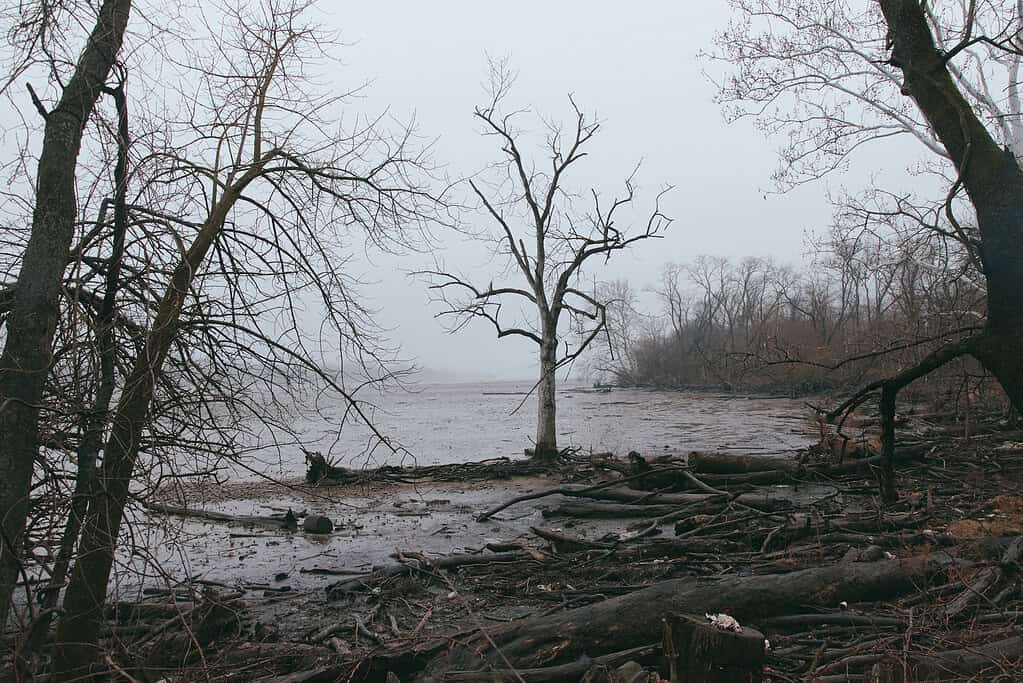
Even after seeing decades of heavy industrial use just off the busy Philadelphia waterfront, Petty’s Island on the Delaware still feels like a place apart, a sanctuary of quiet.
The Lenni Lenape, who used the island as a meeting place well before English and Dutch explorers first sailed up the river in the early 17th century, called it Aequikenaska, “where the panther ran.”
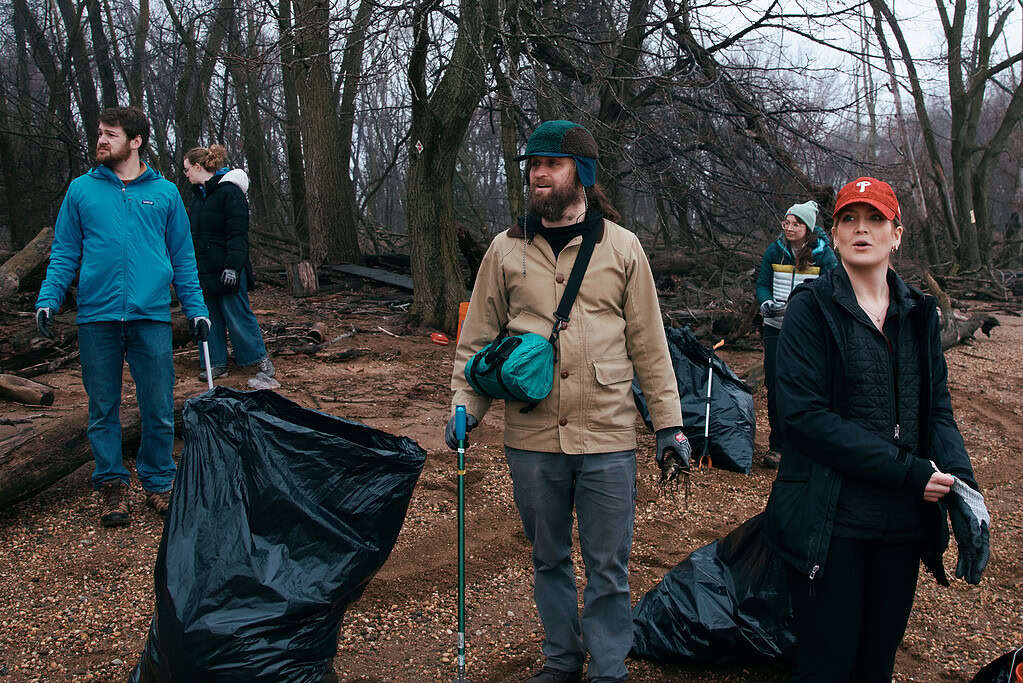
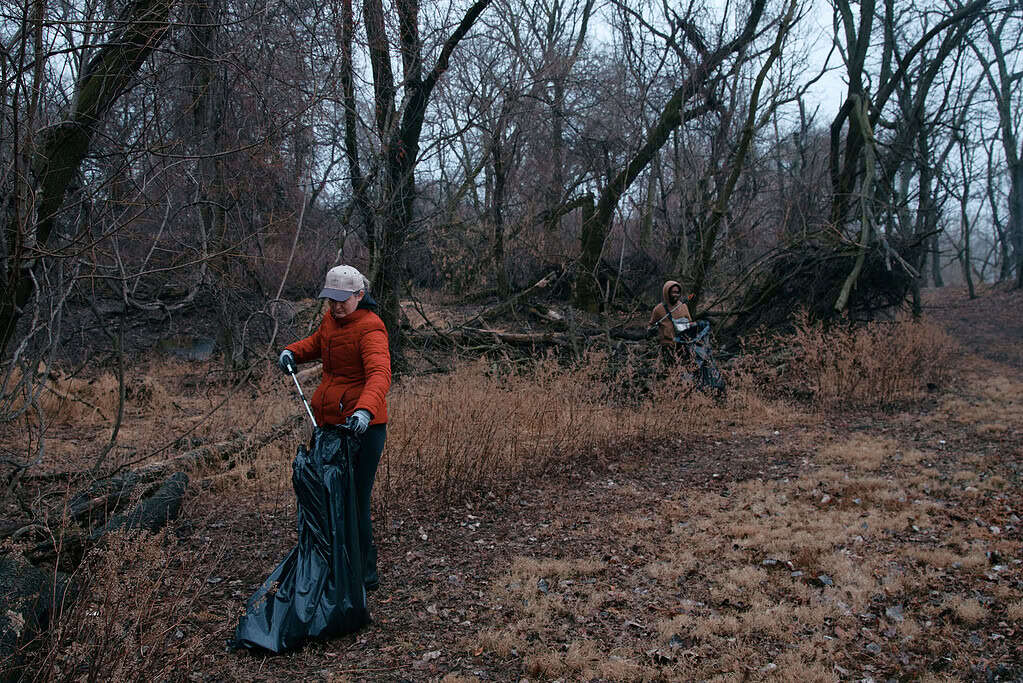
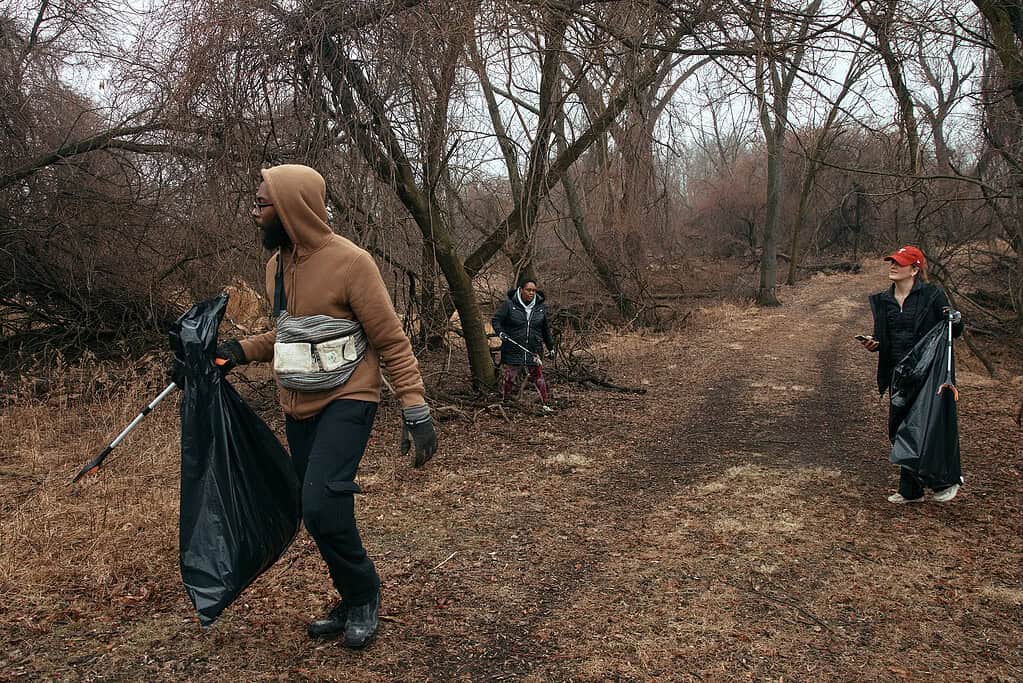
There were no running panthers on a foggy morning in early March when a group of volunteers gathered to hike across the island and clean up litter that washes ashore on the tides.
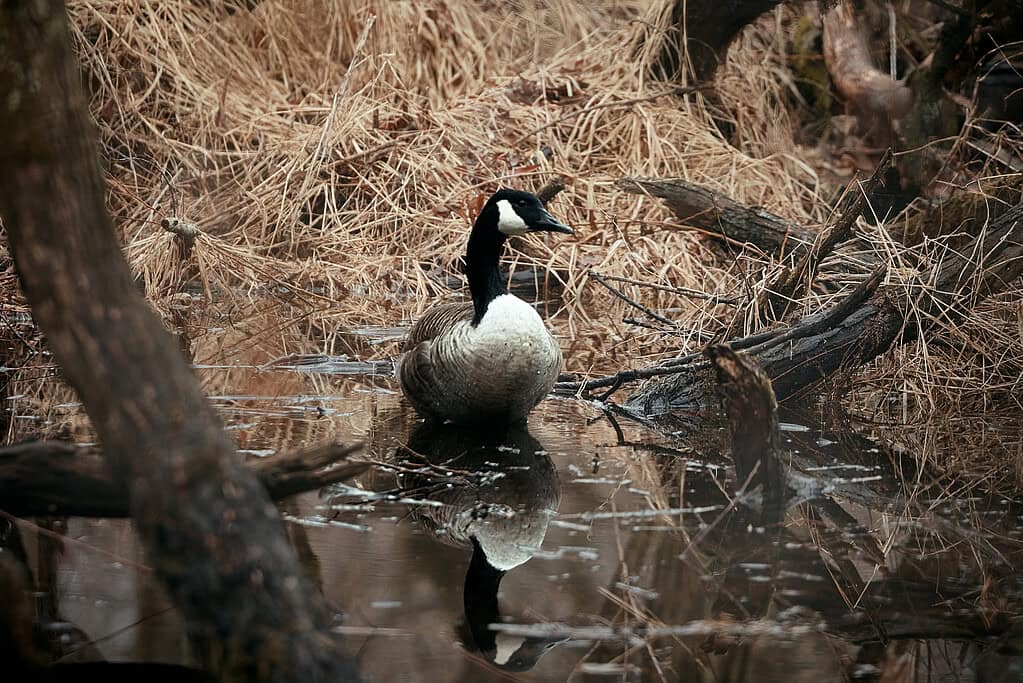
But there were nesting eagles, osprey, a herd of whitetail deer, hundreds of gulls foraging across the back channel mudflats, and Canada geese gliding across tiny freshwater ponds scattered among the meadows and woods on the island’s southern stretches.
The temple-like atmosphere on parts of Petty’s Island is so serene that you can easily imagine boatloads of Quakers rowing ashore for Sunday service, as they did after 1678 when a prominent member of the religious group bought the place from the Native Americans and built a plantation.
You can also envision John Petty, a Philadelphia merchant who took ownership of the 350-acre island in 1732, marking out parcels for the corn, tobacco, and peach orchards that thrived there around the American Revolution. Some of those fields, historians say, were probably worked by Africans purchased in Camden’s busy slave market.
On the island’s north end and western shores, ghostlike signs of Petty’s Island’s 20th-century past as an oil refinery and shipping depot emerge from the meadows.
The visitors walk into the warehouse-sized steel shell of a loading dock where cranes once hoisted shipping containers from barges on the Delaware. Further on, they go through an empty landscape of manmade berms, hillocks, and pits, the remains of a tank farm that once held oil and gas refined by the CITGO petroleum company.
CITGO closed down its refinery business a quarter-century ago after oil tankers found it easier and cheaper to use other facilities on the Delaware. In 2009, the oil company agreed to clean up and preserve Petty’s Island after efforts to develop it into a luxury golf and housing resort collapsed amid public outcry to save it as a one-of-a-kind urban nature park.
After the cleanup, which has now lasted longer than anyone envisioned, ownership will revert to the state under the auspices of the nonprofit New Jersey Natural Lands Trust. The trust hopes to establish a nature center in the skeleton of the old shipping platform. Other than that, however, plans call for building nothing else on the island, no marinas, no ballfields, no nothing.
“That’s the dream we’re all working for – fingers crossed,” said Prem Trivedi, the director of science and outreach for Riverways, a consortium of nonprofits that promotes access to waterways around Camden and Philadelphia.
Trivedi was one of several scientists leading a recent tour and cleanup of Petty’s Island, along with Bill Plianthos of the Center for Aquatic Sciences in Camden. They’re essentially jacks-of-all-trades for saving the island, splitting up the duties of naturalist, historian, storyteller, and docent.
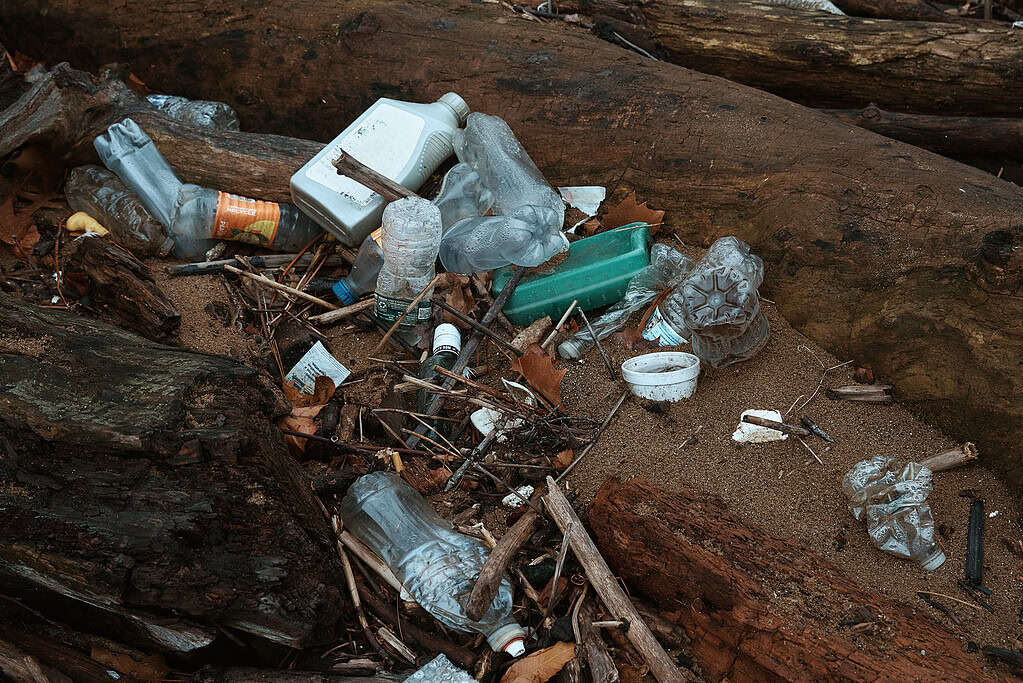
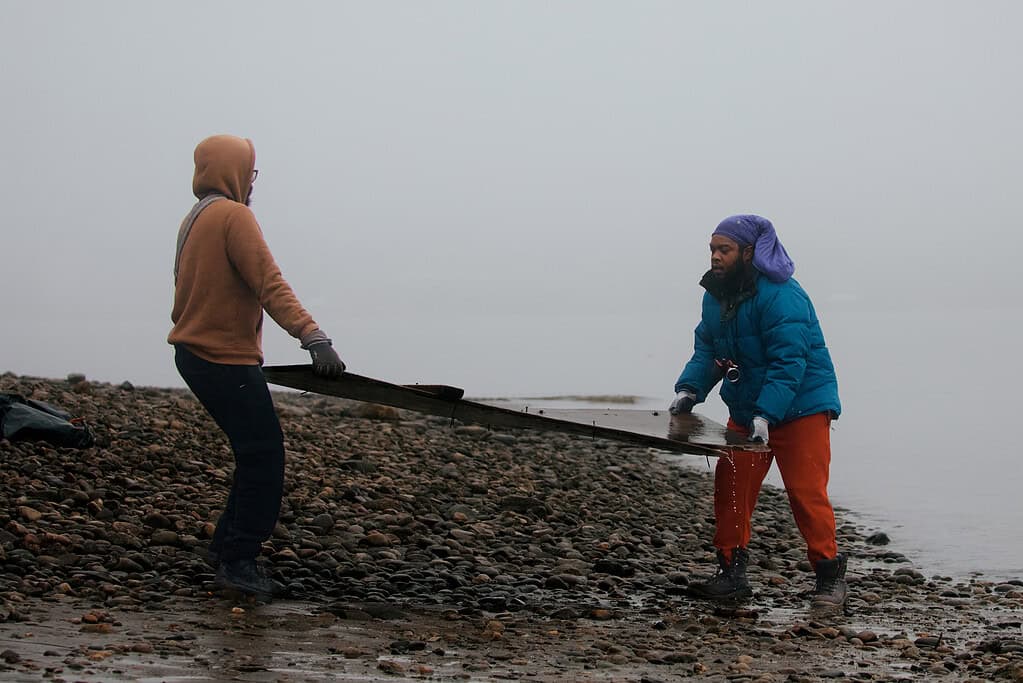
Plianthos spends a lot of his time clearing trails with a chainsaw and is forever leading cleanup brigades against the stunning variety of river trash that washes ashore twice a day. The island’s dramatic south point, which opens straight onto the Delaware shipping channel, is a magnet for trash.
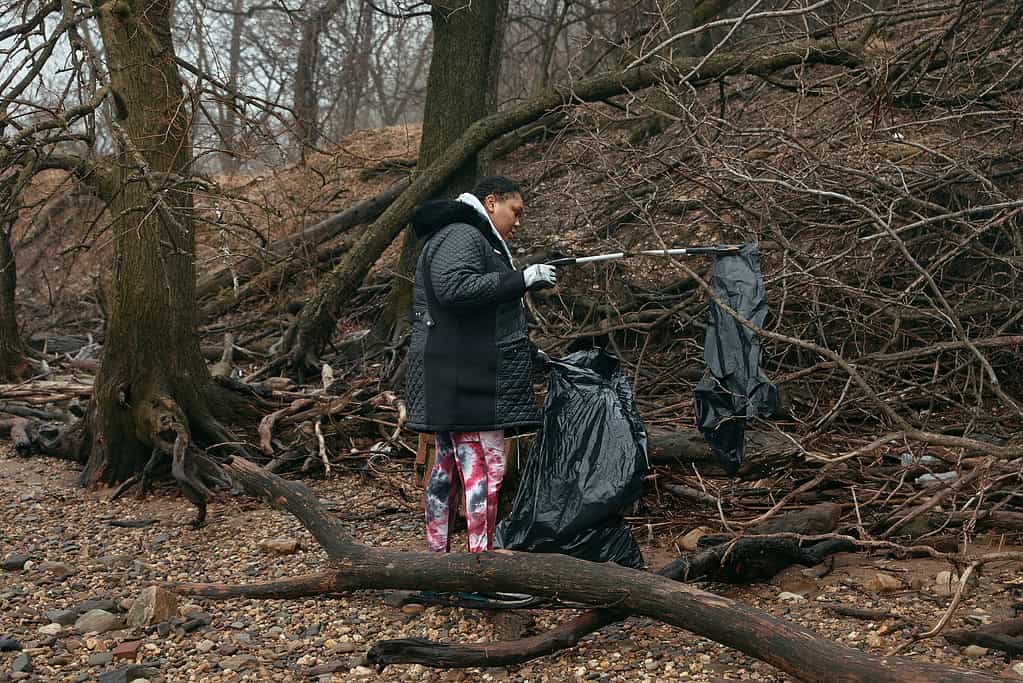
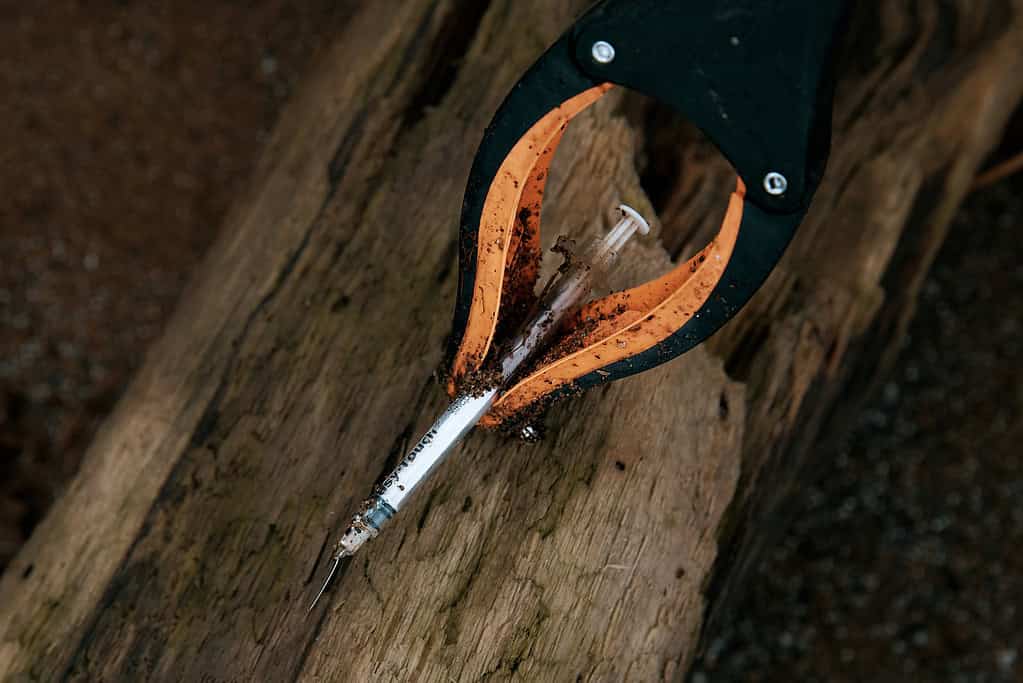
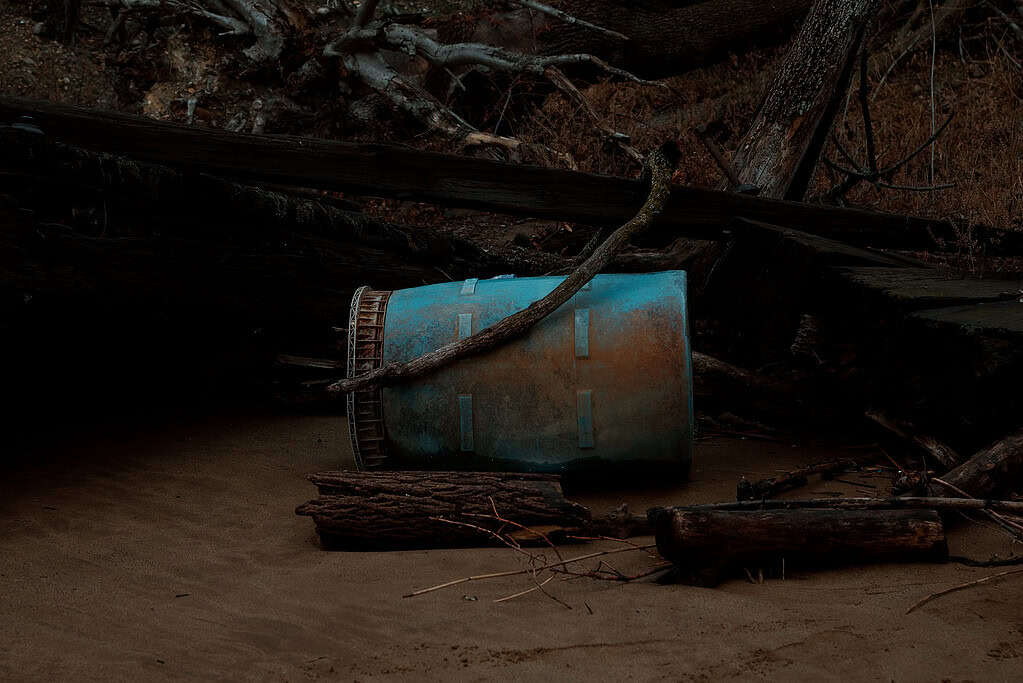
Volunteers picked up hundreds of pounds of beer cans, liquor bottles, chip bags, candy wrappers, picture frames, traffic cones, truck tires, and engine parts, including what appeared to be a piston. Plastic bottles and other plastic containers mound up at the high tide mark, tangling in fallen trees and shoreside vegetation.
“We had a group last summer that picked up 1,760 plastic bottles,” said Plianthos, who once found two barrels of the disinfectant sodium hypochlorite foundering on the beach. “It never ends.”
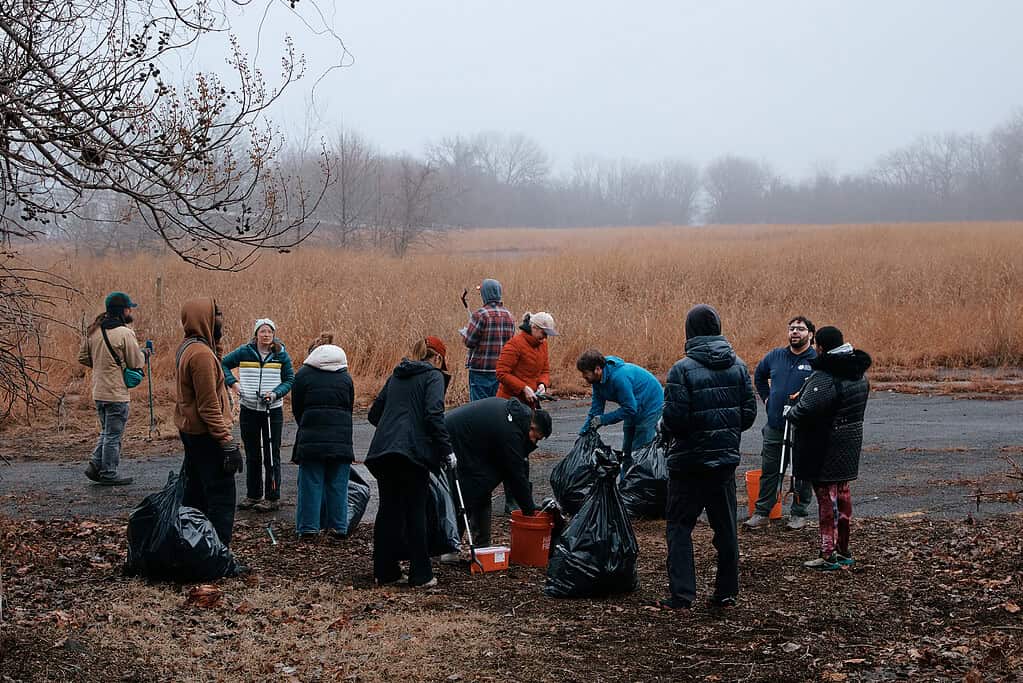
About two hours into the litter outing, Plianthos called an end to the picking as our trash bags started getting too heavy to carry. Despite the never-ending march of jetsam onto the shore, the southern point of Petty’s Island shows abundant signs of natural life.
Trivedi and Plianthos capture young eels with their bare hands. The shoreline is covered with freshwater clams and mussels. Don’t kick up any rocks in the tidal zone, or you are likely to disturb snakes, salamanders, or tiny invertebrates that filter microscopic food from the Delaware.
Among the finds on the south point is Anodonta implicata, otherwise known as the Alewife floater, an elongated mussel that can grow up to 7 inches in the Delaware estuary. Mussels like the Alewife can filter and purify 10 to 20 gallons of water a day. The return of these mussels and the other tiny creatures is good news for a waterway that, in places, was once among the most polluted in America
Today, much of Petty’s Island is covered by decades-old dredge spoils that were dug up from the riverbed to deepen the shipping channel. The dredge has raised the island’s profile by 20 feet in places. But hiking over the surface, you might never suspect you are walking on anything but natural woodlands, marsh, and meadow.
“Nature gets it done,” said Plianthos.
Read part one of the two-part series on Petty’s Island by journalist Jeff Pillets: The long fight to save Petty’s Island still isn’t over.

Jeff Pillets is a freelance journalist whose stories have been featured by ProPublica, New Jersey Spotlight News, WNYC-New York Public Radio and The Record. He was named a Pulitzer Prize finalist in 2008 for stories on waste and abuse in New Jersey state government. Contact jeffpillets AT icloud.com.