



The long fight to save Petty’s Island still isn’t over
Nearly 25 years after bald eagles halted development plans, cleanup delays and new ownership threaten the future of a nature preserve.
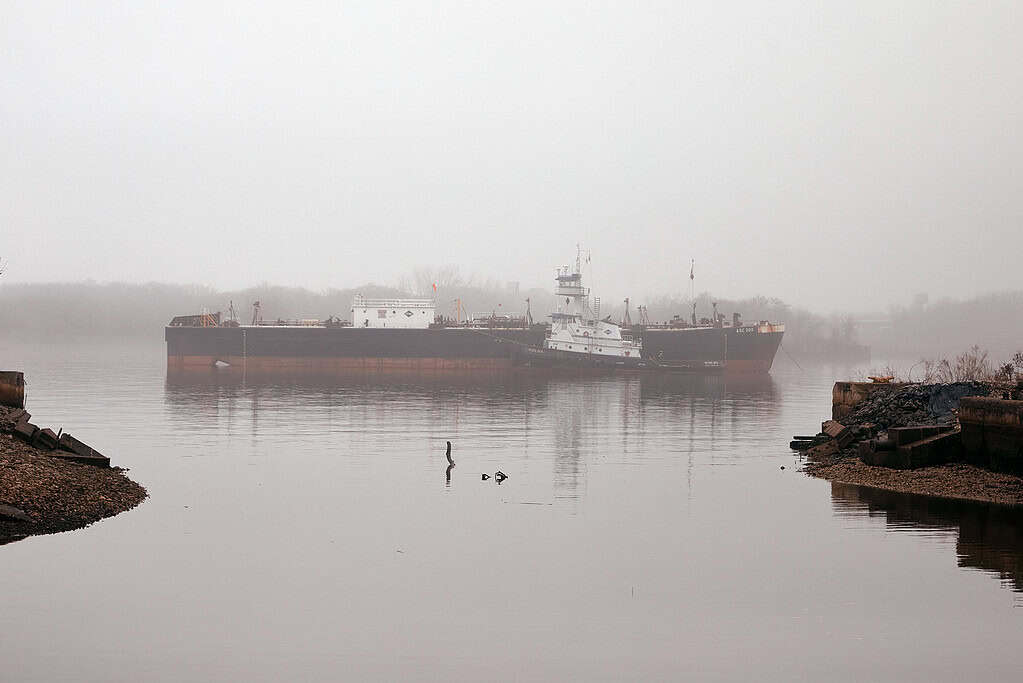
New Jersey’s conservation community was stunned when a pair of nesting bald eagles showed up on Petty’s Island, a deeply contaminated spit of land in the Delaware River between Pennsauken, Camden, and Philadelphia.
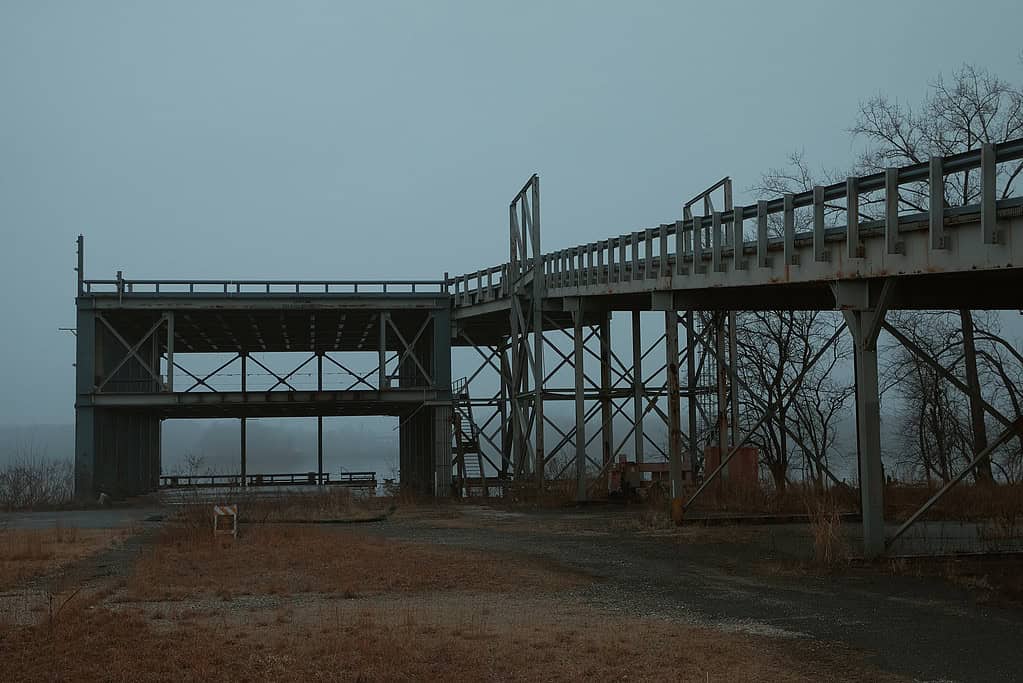
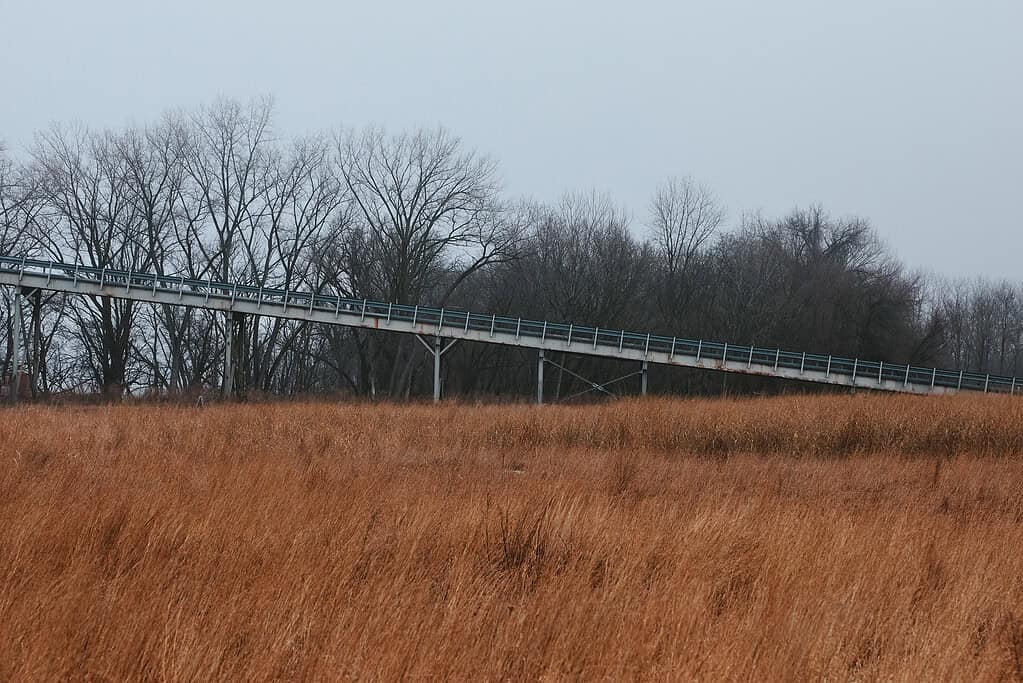
The 350-acre island, owned for a century by CITGO and its corporate predecessors, had hosted an oil refinery, an underground fuel tank farm, and a shipping container operation. Spilled petroleum products pooled on the ground or percolated just below the surface, amid tar pits and sludge lagoons.
Despite the toxic mess, deep-pocket developers were eyeing a vacant and wooded stretch along Petty’s Island’s southern shore, where they proposed a $1 billion development of luxury homes and golf courses that would overlook the Philadelphia skyline.
“The eagles were really a savior for the island,” said Bob Shinn, a historian who is writing a narrative of Petty’s Island. “All of sudden, the development plan was in trouble. Instead of continuing to exploit the island for profit, we would clean it up and turn it into a truly unique urban preserve. It was a dream come true.”

Nearly a quarter century after the eagles arrived, however, the dream of preserving the historic island remains elusive, 17 years after CITGO and the state of New Jersey agreed to broad parameters of a fully financed $15 million cleanup.
Concern about the ultimate fate of Petty’s Island emerged late last year when a federal judge approved the $5.9 billion auction of CITGO to a firm controlled by conservative Trump ally Paul Singer, a billionaire hedge-fund owner who gave $42 million to MAGA groups and other conservative political funds in 2024.
Singer, a legendary takeover artist known for raiding distressed companies, hasn’t said how he might seek to scrap or change preservation plans for the island.
But well before the wild card of new ownership came into play, the project to save Petty’s Island had foundered.
Regulatory documents reviewed by The Jersey Vindicator show that plans to preserve the island languished for years as state officials and CITGO sparred over the details and timing of a cleanup.
The infighting centered on the state’s 2019 decision to change course on the project and begin demanding much stricter cleanup standards than had been agreed to in the original plan a decade earlier.
The new standards would force CITGO to remediate parts of the island to relatively pristine “ecological” levels that would provide maximum protection for wetlands and other sensitive spots.
Under the terms of the original agreement, contaminated areas were to be remediated to nonresidential use and segregated under caps and behind fences.
Those terms were deemed satisfactory by all parties in 2009, including the New Jersey Natural Lands Trust, an independent agency that had signed a historic conservation easement with CITGO that would legally set aside the island as a nature preserve after the cleanup.
Lawyers for the oil company complained that the new policy was a bolt from the blue, a completely unexpected turn that came three years after the state Department of Environmental Protection (NJDEP) had appeared to approve a key 2016 report that set out details about how contaminated areas would be addressed.
For three full years, the lawyers said, the NJDEP’s website listed the report as “complete,” and no word was sent to CITGO about potential problems with it.
“It is a significant concern that NJDEP would deem the 2016 [report] complete, but then reverse course three years later on matters already settled,” Citgo attorney Edward Hogan wrote in a letter to NJDEP. “It is especially inappropriate to retroactively apply the lens of a 2019 departmental policy to a report submitted in 2016 as the basis to deny that report.”
The NJDEP, contacted in February, declined to talk about the serial delays that have stymied the project, although it eventually released a copy of the 2025 agreement and several other documents, including a copy of CITGO’s plan to maintain hiking trails on the island in lieu of a state fine.
A spokeswoman said the agency would make no “general comment” on the cleanup and declined to make officials of the New Jersey Natural Lands Trust available to discuss the project, which has been a major initiative of the quasi-independent group. Cari Wild, a Lands Trust executive who oversees efforts to save Petty’s Island, said she was not authorized to give interviews.
Shawn LaTourette, a former NJDEP commissioner who headed the agency from 2021 to early this year, also declined to comment on why the state was pursuing tougher standards on the Petty’s project. But he expressed confidence that the island will still become a “park for the people” despite changing ownership.
“There’s nothing uncertain about the fate of Petty’s Island,” he said in a social media post.
The impasse between CITGO and the state officially ended in Feb. 2025, when the oil company signed on to an amended agreement that coincided with the state’s new direction for Petty’s Island.
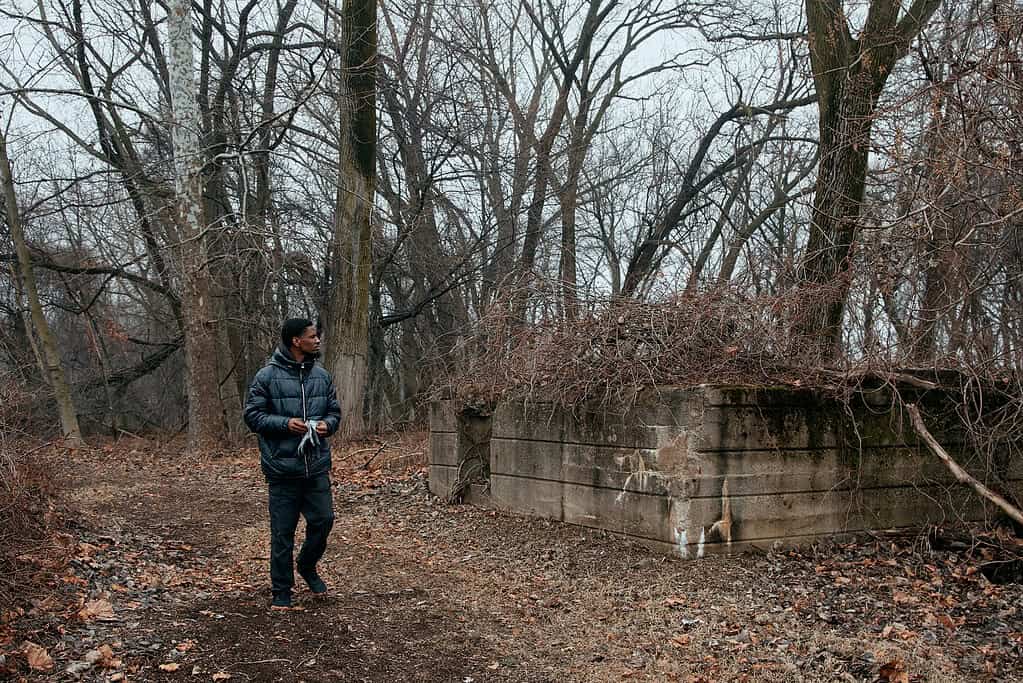
Under terms of a new consent order, CITGO agreed to pay a $25,000 in-kind fine for failing to meet earlier project deadlines. The company also promised to complete an expanded battery of environmental tests on the island’s soil, water, and wetland areas.
To finish the exhaustive investigation, technicians made thousands of boreholes to track the flow of petroleum products, pesticides, and other toxins in the ground. They plumbed sludge lagoons, sampled river water from a boat, and studied mussel beds and submerged aquatic vegetation.
The investigation cost CITGO more than $1.5 million last year alone, according to reports filed by the firm.
Despite the new agreement and the latest round of environmental testing, there is still no sign of a final “work plan” that would formalize terms for cleanup and a definitive timeline. In recent meetings of the Natural Lands Trust, according to records, officials have expressed hope that the project may finally come to completion in two or three years.
Once the state deems the project complete, ownership of the island would revert to the Lands Trust, which has promised to maintain it as a safe space for hawks, osprey, harriers, and eagles that live and forage there. Amenities like marinas, ball fields, golf courses, and restaurants would not be allowed.
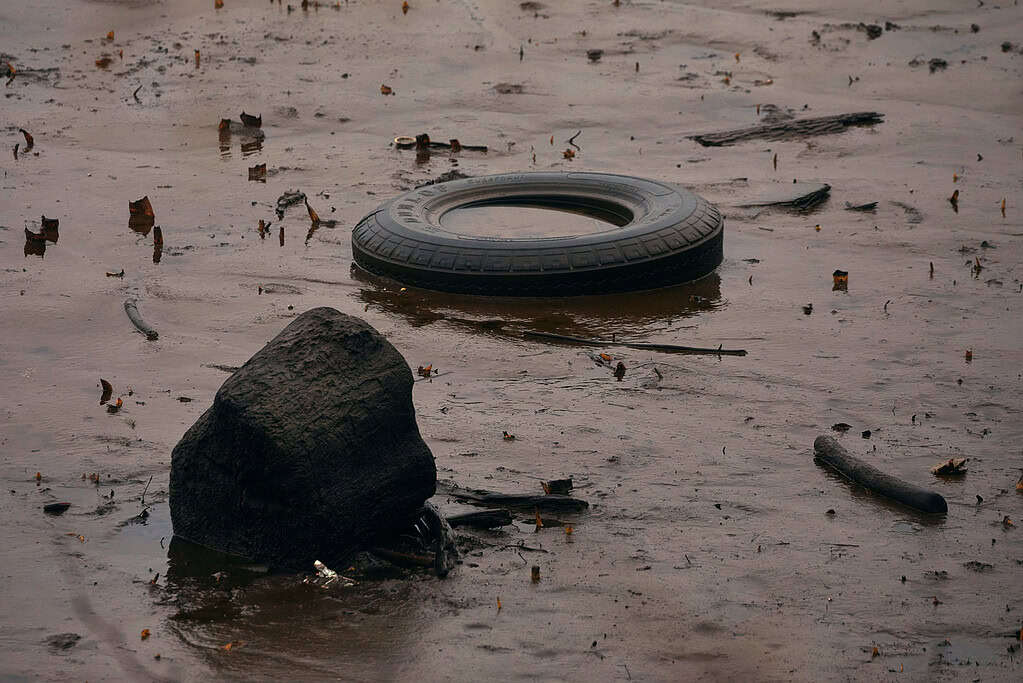
“The original vision all those years ago was to simply give this property back to nature,” said Emile DeVito, a longtime member of the Lands Trust board who is also the manager for science and stewardship for the New Jersey Conservation Foundation. “I’m not sure anyone knows why this has taken so much longer than originally thought. It’s just been a big, confusing process.”
Under the terms of the 2009 easement that kicked off the Petty’s project, CITGO agreed to transfer ownership of the island to the state after the cleanup. New Jersey would then give the property to the Lands Trust.
But DeVito and other environmental advocates point out that the state could work out a deal to take title of the property now and complete the cleanup itself using money already dedicated to the project. Such an arrangement, they say, would guard against any possible curveballs from the Trump administration.
“Right now there’s an easement in place that protects the island, but does anybody really doubt that the federal government under Donald Trump would rip up that agreement if it suited a billionaire donor?” asked Jeff Tittel, the former head of the New Jersey Sierra Club.
Tittel stressed that the state has full legal power right now to take control of the cleanup and finish it under whatever remediation standards it chooses. Under the Feb. 2025 consent order, in fact, CITGO agreed to immediately stand down “upon written notice from the DEP … to complete all or part of the remediation itself to protect public health and safety and the environment.”
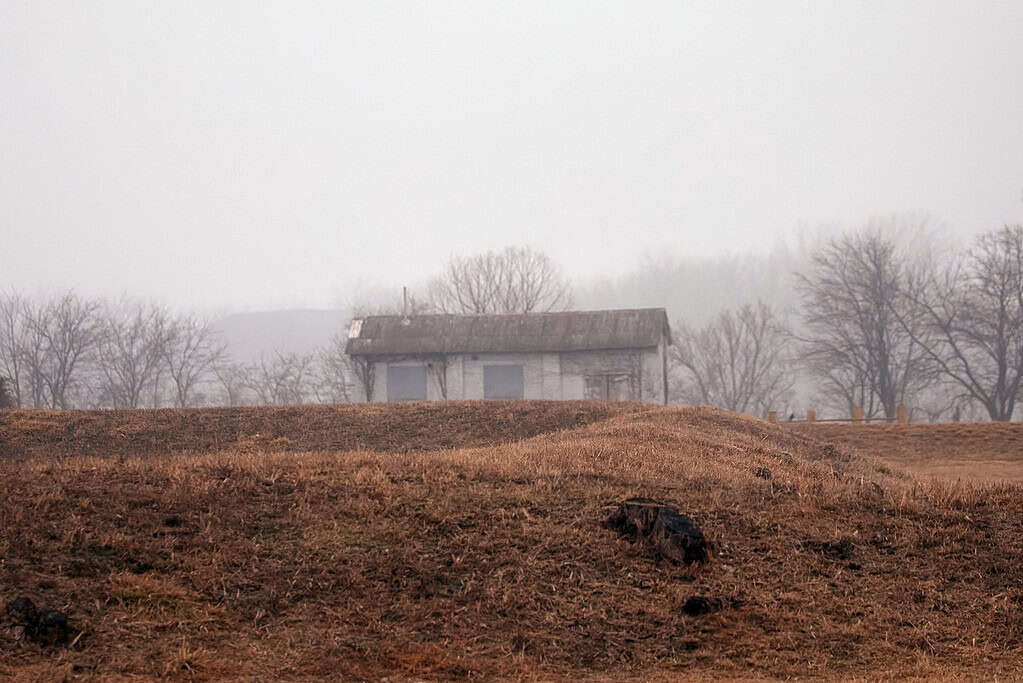
Tittel said the “tawdry history” of past efforts to develop the island is enough reason to fear that powerful political interests might try to change preservation plans in the future. He fears that higher cleanup levels will only clear the way for profit-making activity, such as a golf course or marina.
Only two months ago, the state agreed to lease out a huge chunk of Liberty State Park in Jersey City for a controversial marina that would primarily serve wealthy yacht owners.
“Why not just let Petty’s Island go back to its natural state? Wouldn’t that be the best ending?,” Tittel asked. “I won’t believe it is safe from developers until a deal is signed and the property is finally conserved.”
In 2004, after the eagles were discovered on Petty’s Island, conservationists across the state, as well as many New Jersey political leaders, fought to preserve the island from any development. Public sentiment grew rapidly in favor of saving the island, and it was widely believed that the state had no real option except agreeing to sign a conservation easement that CITGO had already okayed.
But at a critical meeting of the Lands Trust that autumn, three members of the board, under direct orders of the New Jersey governor’s office, voted against the easement. Their “no” votes outweighed four “yes” votes from other board members, because an obscure state law essentially gave appointees of the governor veto power.
It turned out that the would-be developers of the Petty’s Island luxury golf resort had been pouring cash into the political coffers of the state Democratic Party, as well as Camden County Democratic funds. Media outlets reported that more than $1.5 million had come into the funds from 2001 to 2004.
“Trenton was just lining things up for their buddies, it was abominable,” said DeVito, who was a member of the Lands Trust board at the time. “Stuff like that happens in this state. We can only hope it won’t happen again.”
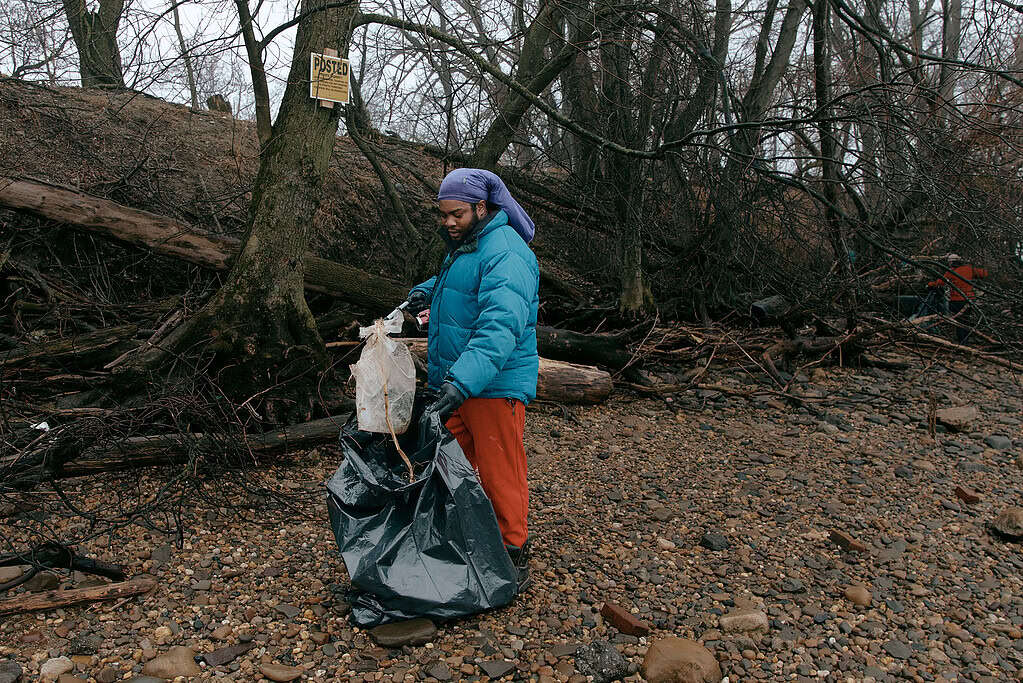
On a recent weekend, journalist Jeff Pillets and photojournalist Andres Kudacki visited the island with a dedicated group of volunteers. Read Jeff’s other story about his Petty’s Island visit.
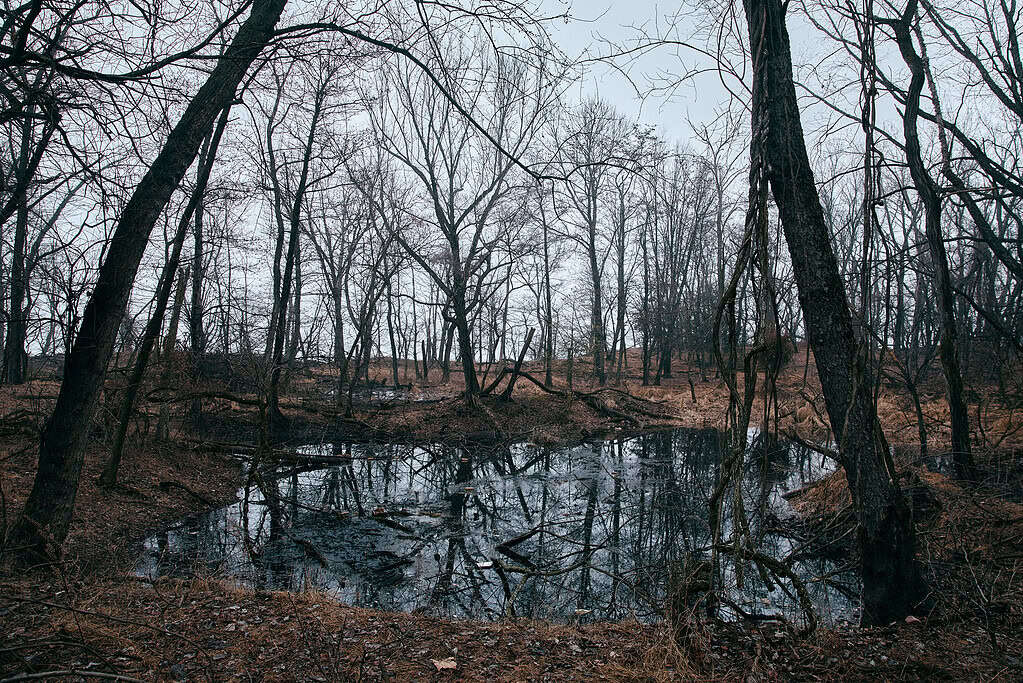

Jeff Pillets is a freelance journalist whose stories have been featured by ProPublica, New Jersey Spotlight News, WNYC-New York Public Radio and The Record. He was named a Pulitzer Prize finalist in 2008 for stories on waste and abuse in New Jersey state government. Contact jeffpillets AT icloud.com.