



Five minutes with saxophonist Abraham Burton
The Rutgers professor reflects on improvisation, teaching, and why AI can’t replace live music.
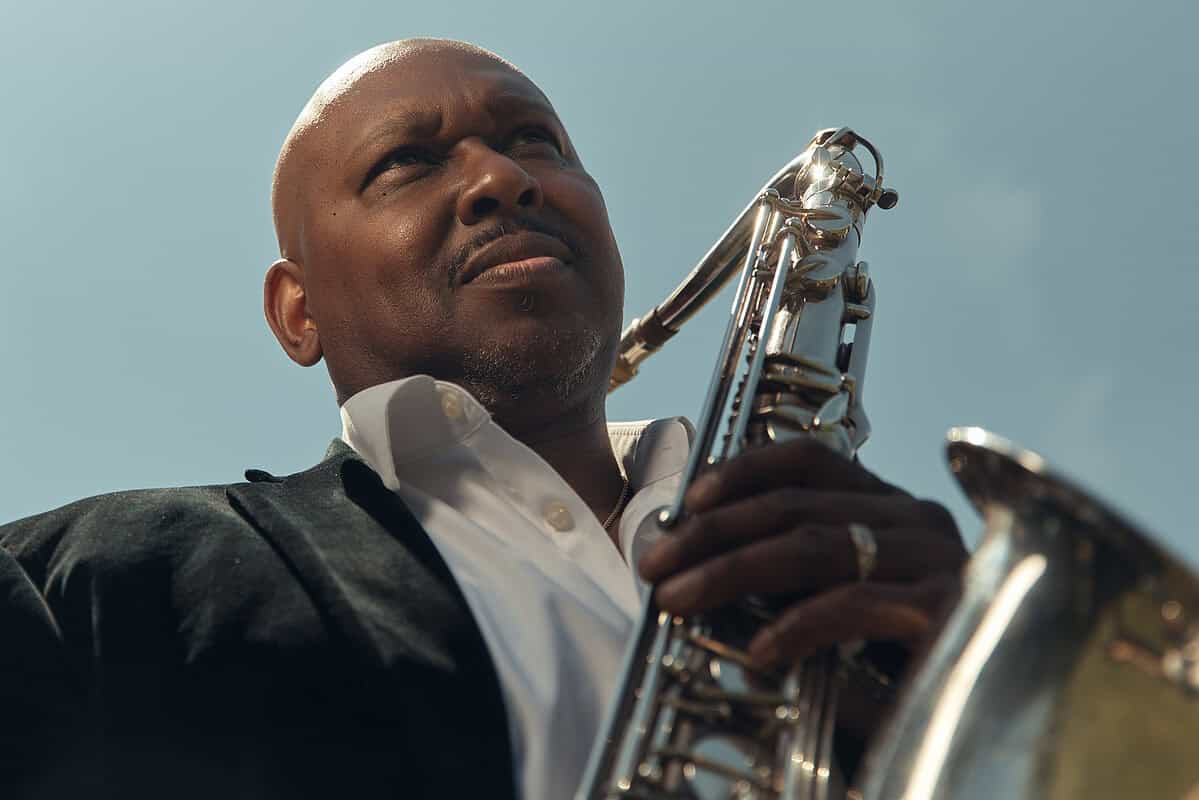
Abraham Burton traces his life in music back to Saturday mornings in New York, when his father filled the building complex with soul, reggae, and jazz.
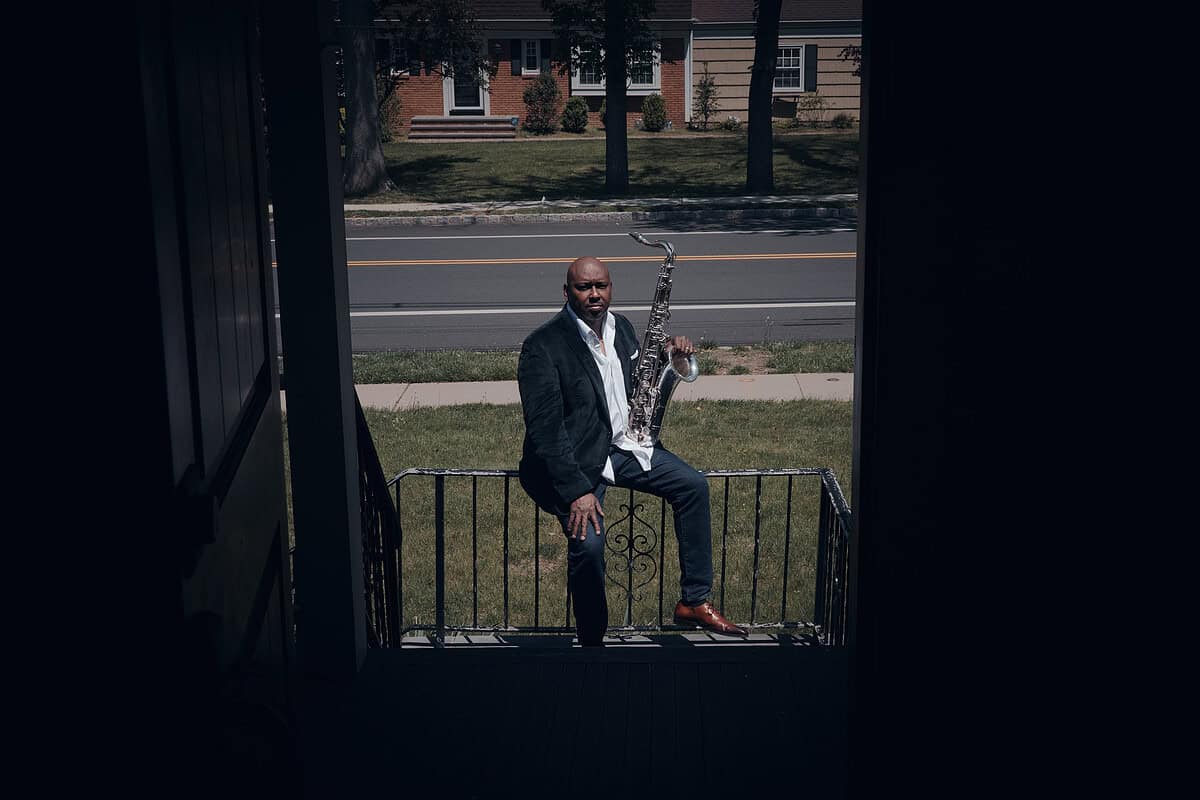
The son of Central American immigrants, Burton, 55, grew up in a New York City family of music lovers who each treasured their connection to the universal language. Those experiences — his dad blaring music on his custom sound system, his sister performing at Carnegie Hall, his brother finding his rhythm on the drums — led him to the saxophone and, eventually, to form his own jazz ensemble, the Abraham Burton Quartet.
When he’s not playing gigs, Burton, a married father of two from Morristown, spends his days lighting the path for the next generation of players as a music professor at Rutgers University.
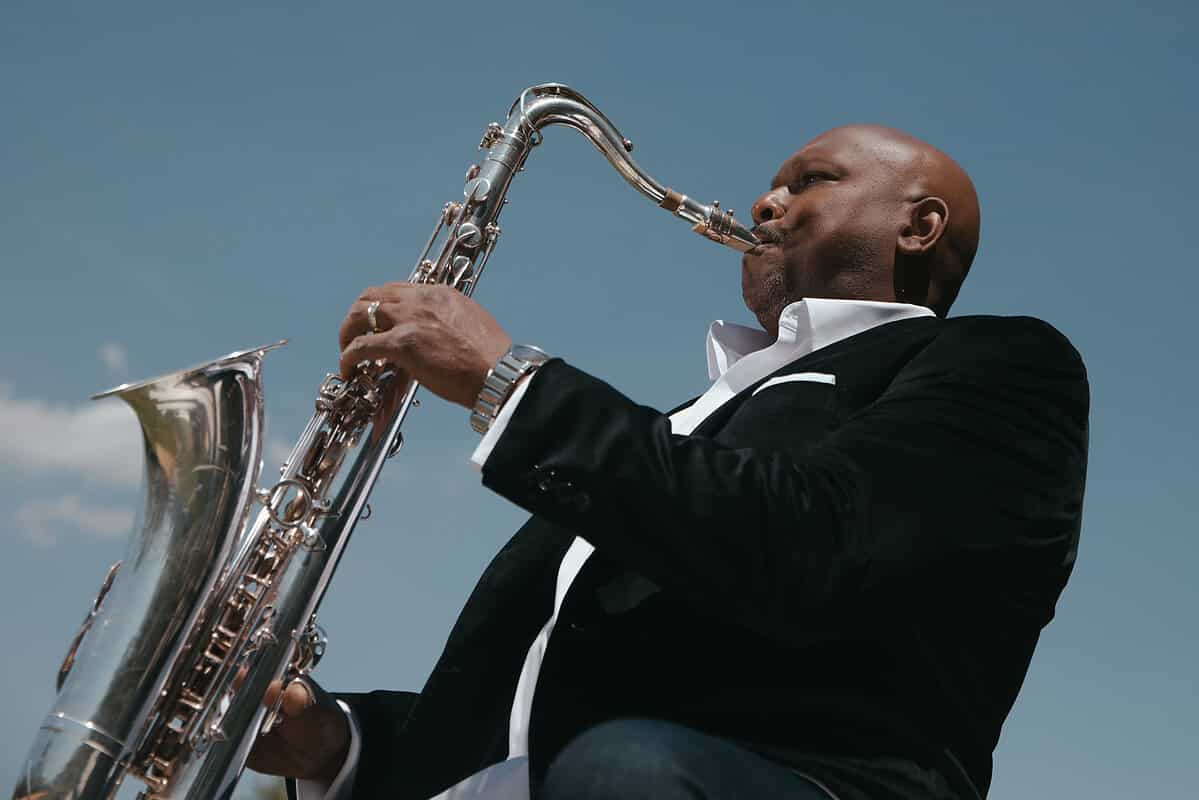
Q: What first drew you to music?
My dad was the superintendent for a building complex, and he used to wake up early on Saturday mornings and blast music on this ridiculous speaker setup he had. It was all styles: Otis Redding, Gene Ammons, Stevie Wonder, The O’Jays, reggae. And it was back to back to back. And I would always wake up to this. It gave me this great appreciation for music in general, and that’s how I got bit by that bug.
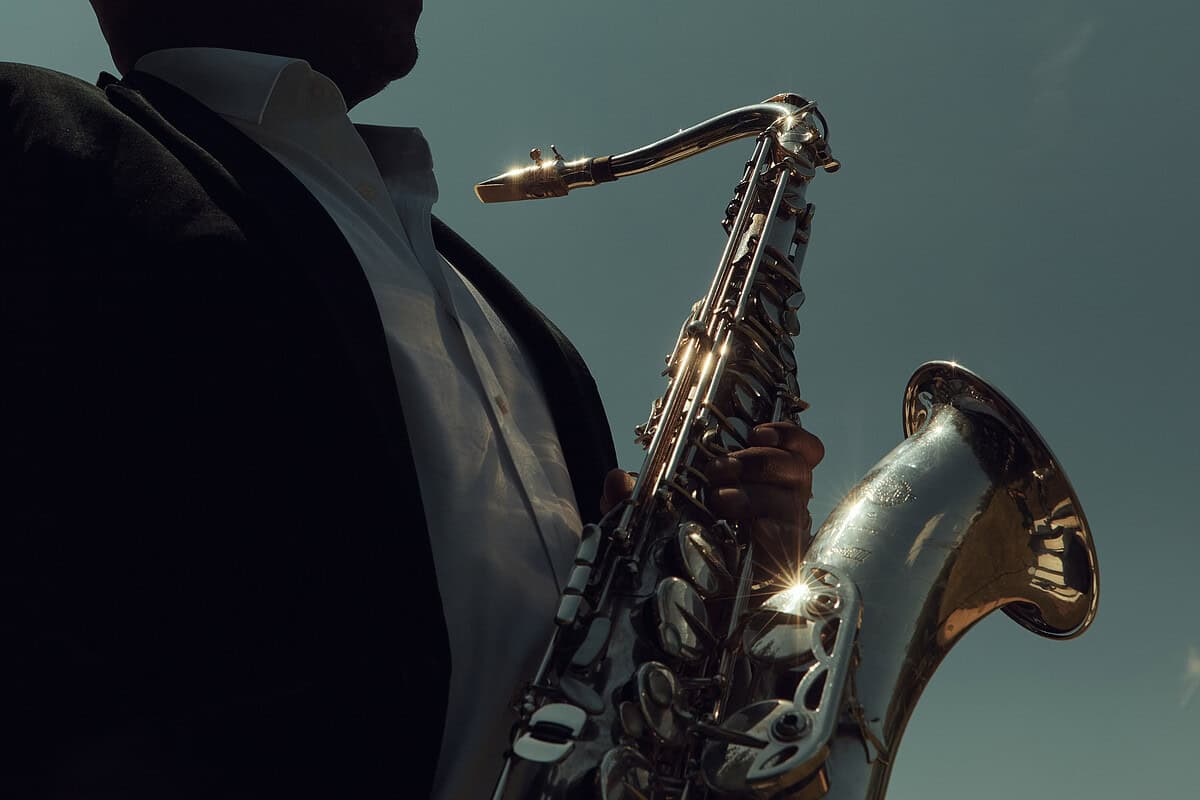
Q: When did you begin to play yourself, and why did you choose the saxophone?
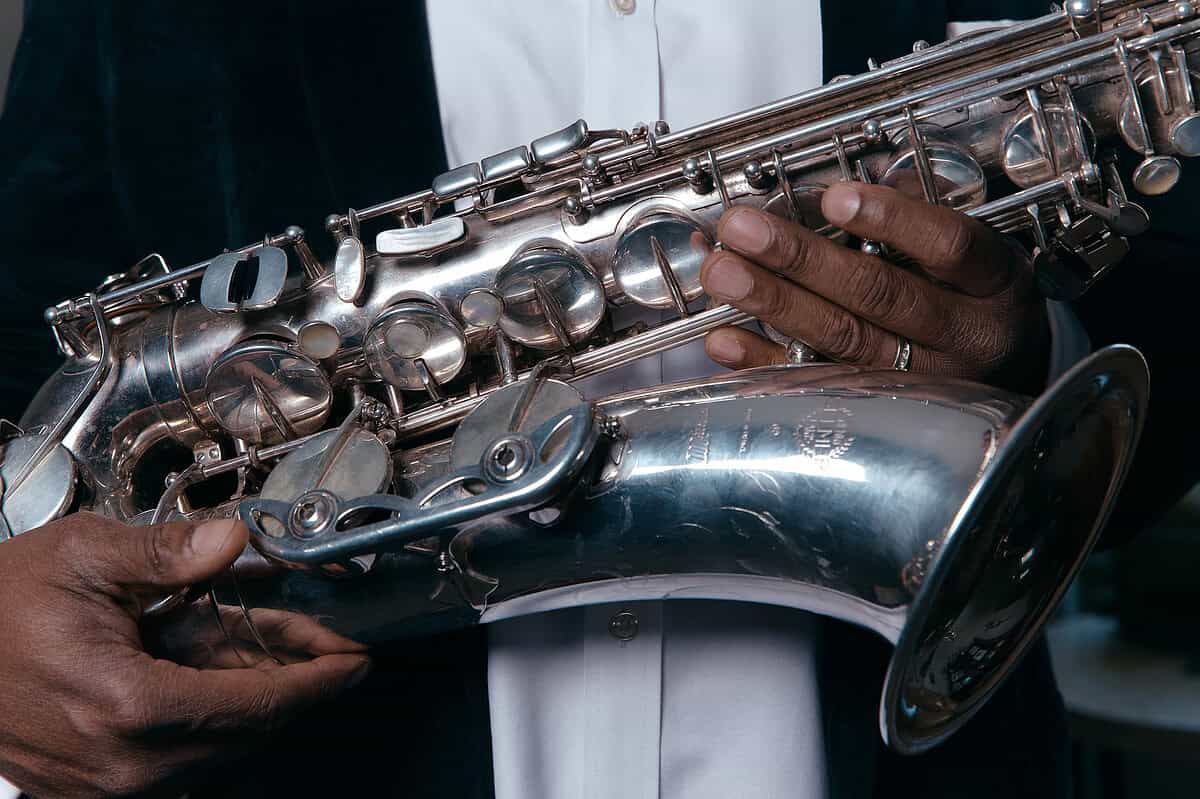
My sister, Carla, used to play clarinet. When I was very young, maybe 8 years old, she was performing all over, and I saw her at Carnegie Hall. She was phenomenal! And at the time, there really weren’t a whole lot of Black people playing Carnegie Hall. I remember being really proud, and I said, “Man, I want to do that!” I actually wanted to play the cello, but we didn’t have money for no cello. And back then, there weren’t a whole lot of Black people playing in orchestras, either. I remember when I went to school and said, “I want to play the cello.” They looked at me and said, “Well, here’s the saxophone.”
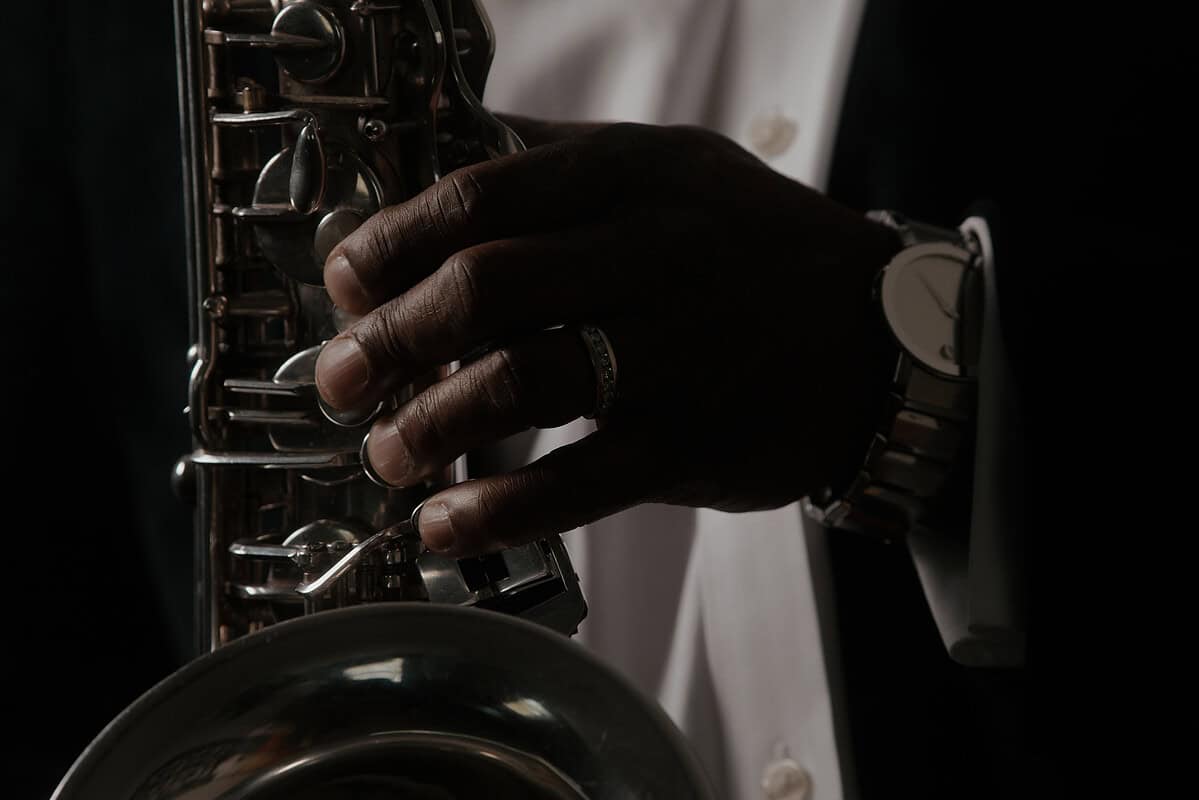
Q: When did you know that you’d make a life out of this as a professional musician?
My good buddy Nasheet Waits, who’s a very popular drummer right now, his father, Freddie Waits, was also a very famous drummer. We were all like family, and we used to go set up his drums before shows. And one day he said, “Where are you guys going?” And we said we were going to hang out. And he said, “Sit down, check this out. Check out what’s about to happen.”
This was at a place called Sweet Basil in Manhattan. And when they started playing, I knew immediately this was what I was going to do. I was blown away, man. There were times I forgot to breathe! I’d never had anything control me like that, and I wanted that kind of power.
Q: What does jazz mean to you?
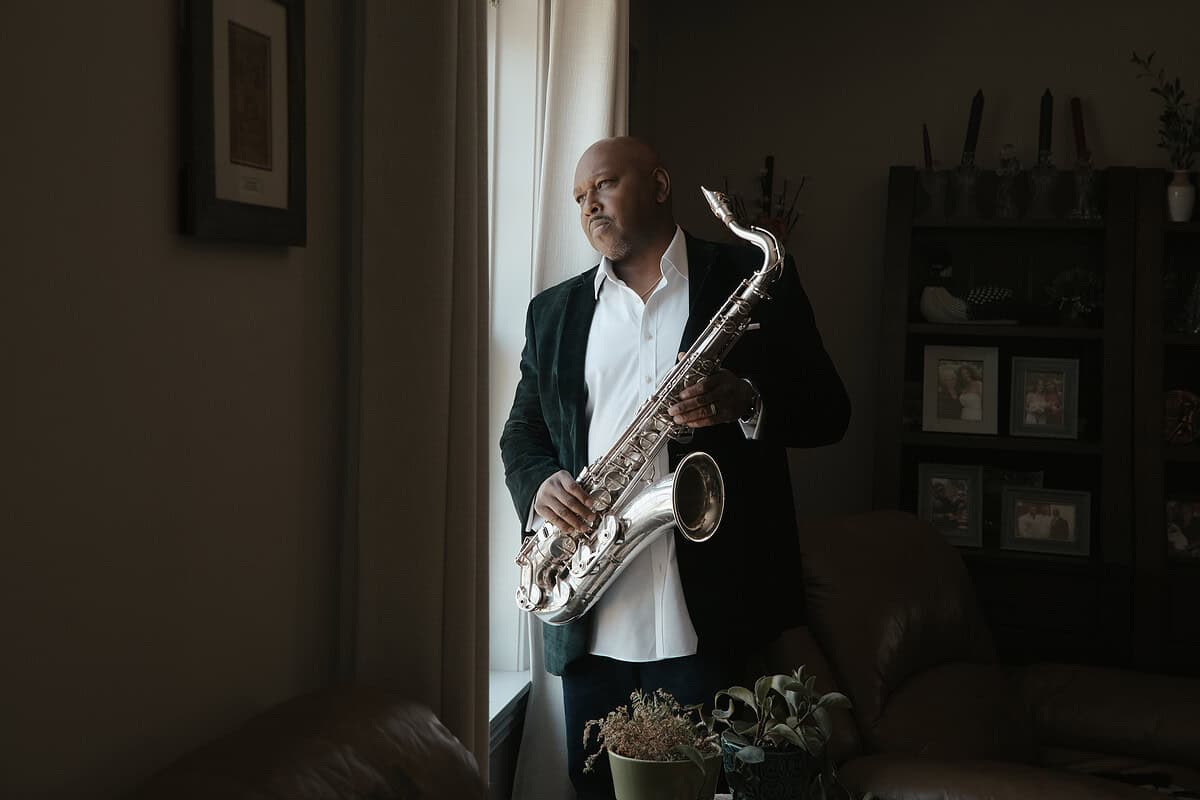
It’s such a huge part of what I do, how I feel, how I think, and who I am. It’s a great release and outlet. I love people, I really do. But I’m a very quiet person, I like to be by myself. But the music, I can just get lost in the music. I’m really intrigued with it, with the process, with figuring it out. And it’s constantly changing, what you’re reaching for. It’s just like life.
Q: How does the improvised, impromptu nature of jazz change how you play live?
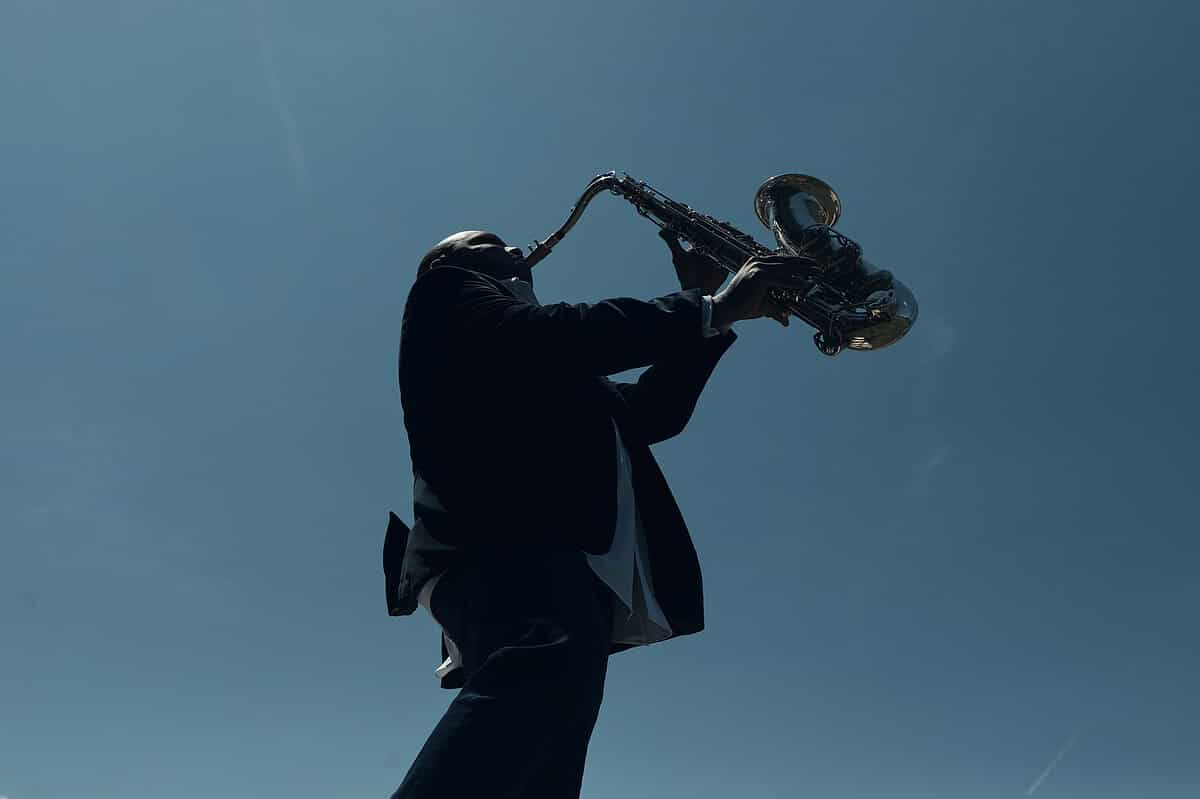
For me, it’s very natural. I love creating in the moment. I never have anything set. I have an idea of what we might touch on depending on the individuals we’re playing with. But it can go anywhere at any time. That’s how I was taught music should be. It should be spontaneous, in the mood, in the moment. So many things in our lives are very regimented in the sense of, “I have to do this, at this time.” But when we play music, I like to take those chains off so people can be whoever they want to be. I tell them, “I want to hear what you hear. Surprise me! I want you to, because that’s going to pull something out of me.” You dig? This music is free, man. It’s one of the few things I see that’s open and boundless. It can go anywhere.
Q: How do your students react when you teach? Do they know anything about jazz, or are you their first exposure?
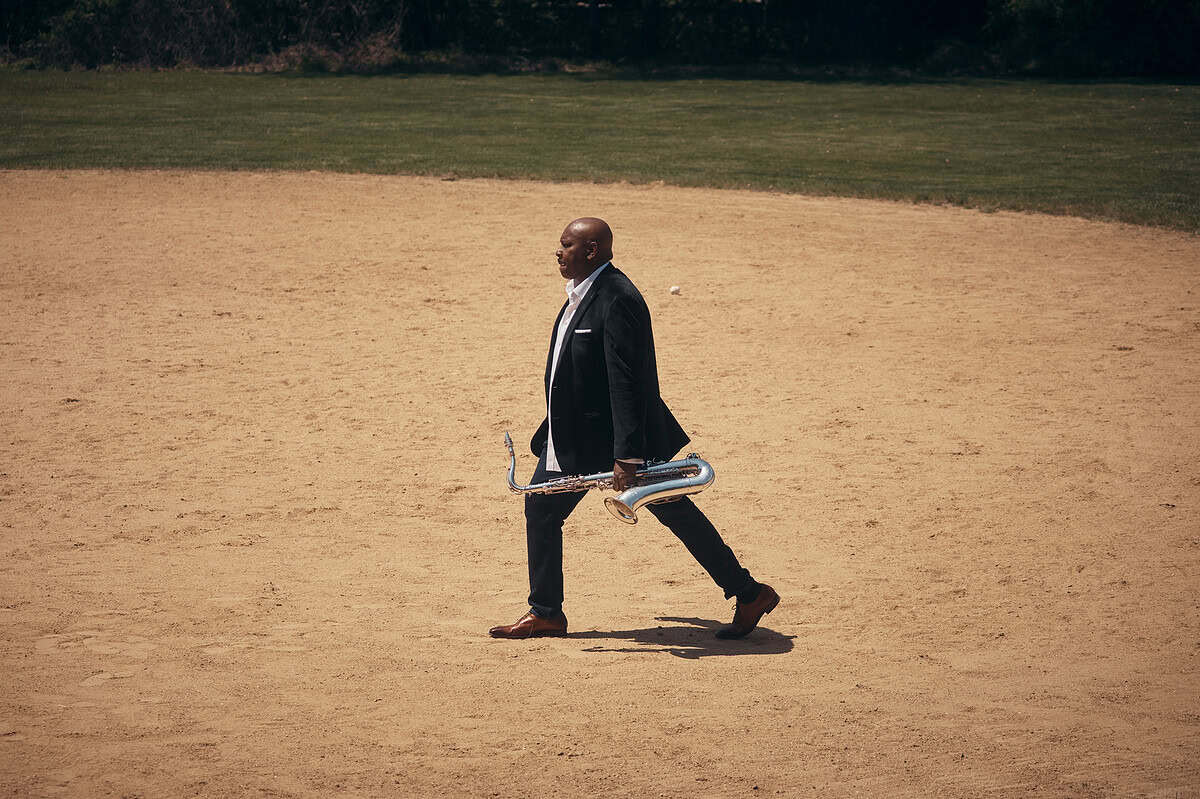
I have all levels. Some kids have some background in the music, some kids think they know all about jazz already, and some kids know nothing. But not everyone has the same goal. When I’m teaching, I have to feel out the student to see where they are and what they’re interested in doing. Then I can try to support their journey toward that goal.
Q: As a performer, how do you know you’re really cooking on stage?
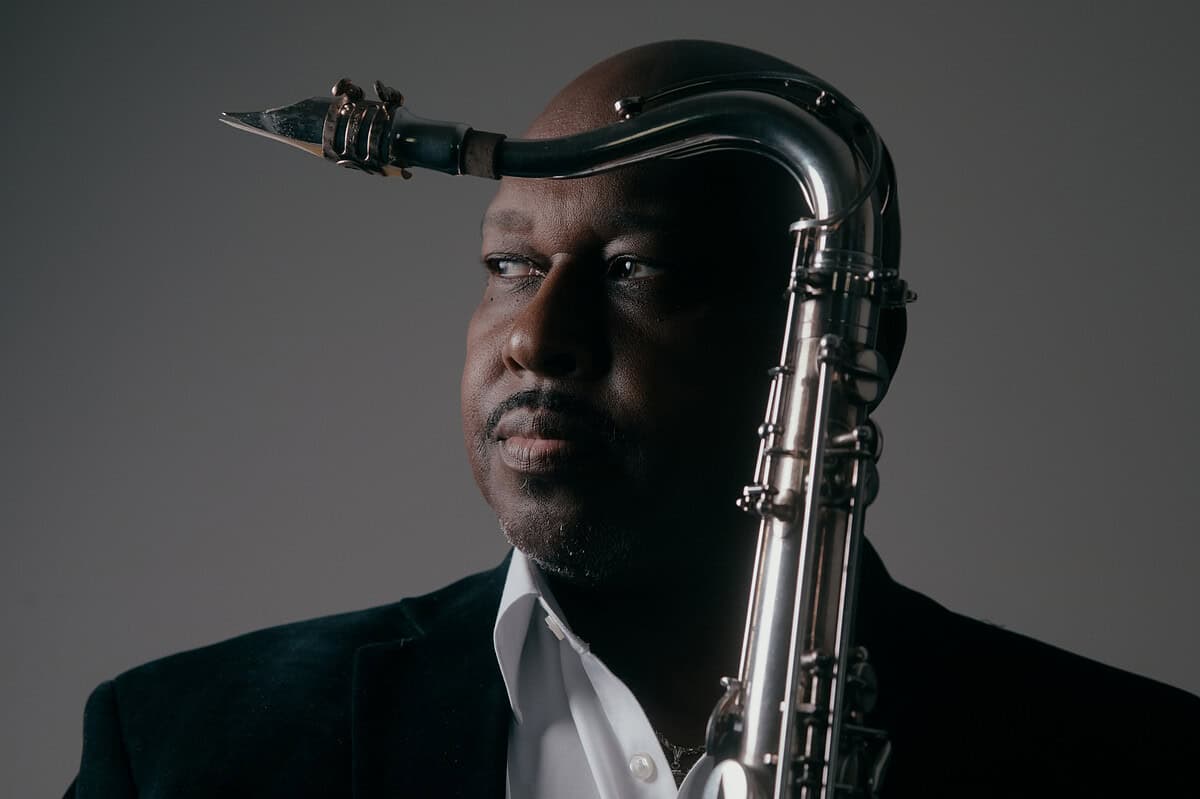
It all starts with the group. Everyone is locked in, everyone is listening, everyone is moving as a unit. I’m really into unit playing. There’s a lot of attention on “Me, me, me” right now. But in this music, you can’t have that. What makes music powerful is its uniqueness. It’s the coming together of each individual and leaving egos out. You make the music the focus. And when you get to that, you can feel that on a bandstand.
Q: How do you believe artificial intelligence will influence music, especially when it can be difficult to tell what was written by a person and what was written by a computer?
AI is here, and it ain’t going nowhere. And it helps people in a lot of ways. But musically, I’m not interested. I’m still so fascinated with just learning acoustic music and trying to figure it out. I’m almost in a romantic relationship with music in that way. If I see something is AI, immediately, I shut down. I’m just not interested. AI can never compete, in my opinion. It can copy and paste some stuff together, and that’s great. I’m not even knocking it. But I want to see the imperfections. That’s what makes it so exciting! This music is cultural, it’s alive, it’s breathing. There’s history involved, there’s clashing, there’s cacophony, there’s all these things that are necessary to make the music like, “Whoa, what was that?” I don’t want it to be perfect. That’s not music.

Steve Janoski is an award-winning investigative journalist with nearly two decades of experience covering criminal justice, policing, courts, government, and politics. His reporting has exposed corruption, government malfeasance, and police misconduct. His work has appeared in the New York Post, USA Today, The Associated Press, The Record, and the Asbury Park Press. At The Jersey Vindicator, he covers criminal justice. Reach Steve at steve AT jerseyvindicator.org.