

Jersey Vindicator top 25 movies about reporters
Movies love journalists. Sometimes they are truth-seekers chasing the public interest; sometimes they are reckless, ambitious, or way too close to the story. Either way, newsroom dramas and satires tend to make great films. Here are our 25 favorite movies about reporters, from classics to cult favorites, listed alphabetically. What movies do you think should make the list? Which films did we forget? Send us an email and let us know what to add to our list.
A Private War (2018)
Based on the life of war correspondent Marie Colvin, the film examines the physical and emotional cost of frontline reporting. It offers a sobering look at courage, trauma, and the price journalists pay to document conflict.
Absence of Malice (1981)
Paul Newman plays Michael Gallagher, an honest businessman and the son of a deceased mobster. A federal investigator leaks false information to reporter Megan Carter (Sally Field), who publishes a story linking Gallagher to the disappearance of a labor leader. Carter’s questionable ethics continue when she becomes personally involved with Gallagher, turning the film into a sharp examination of press power, anonymous sourcing, and accountability — and how easily journalism can be manipulated.
All the President’s Men (1976)
Robert Redford and Dustin Hoffman portray Washington Post reporters Bob Woodward and Carl Bernstein as they painstakingly uncover the Watergate scandal. The film is less about dramatic revelations than relentless reporting — cultivating sources, verifying facts, and pushing forward despite institutional resistance — and remains the gold standard for investigative journalism on screen.
Almost Famous (2000)
A high school student lands a dream assignment writing for Rolling Stone magazine, following an up-and-coming rock band on tour. As he gains unprecedented access, he becomes emotionally entangled with his subjects and loses journalistic distance. The film is a coming-of-age story and a cautionary tale about access, objectivity, and the seduction of being “inside” the story.
Anchorman (2004)
A broad satire of 1970s local television news, the Will Ferrell comedy follows a team of on-air personalities whose routines are upended when a woman joins the newsroom as a reporter and anchor. Beneath the absurdity, the film skewers newsroom sexism, ego-driven journalism, and the entertainment-first mentality of broadcast news.
Broadcast News (1987)
A romantic comedy starring Holly Hunter, Albert Brooks, and William Hurt about three people working in television news. The film is widely praised for its accurate portrayal of newsroom culture and its sharp questions about credibility, performance, and whether audiences value substance over style.
The China Syndrome (1979)
Television reporter Kimberly Wells (Jane Fonda) wants to move beyond lifestyle segments and cover serious news. She stumbles onto a major story while reporting on a nearby nuclear power plant, where she and her cameraman (Michael Douglas) witness alarming irregularities. Jack Lemmon’s whistleblowing plant official adds moral weight to a film that explores corporate secrecy, journalistic persistence, and public safety.
Citizen Kane (1941)
Often cited as the greatest film ever made, this classic follows the rise and fall of a powerful newspaper publisher played by Orson Welles. After his death, reporters race to uncover the meaning of his final word, “Rosebud,” using journalism as a framing device to explore power, ambition, legacy, and the limits of knowing a public figure.
Deadline U.S.A. (1952)
Humphrey Bogart stars as a hard-nosed newspaper editor determined to bring down a mob boss while fighting to save his newspaper from being sold. The film is both a tribute to crusading journalism and a lament for the decline of independent newspapers.
The Front Page (1931 / 1974)
This classic newsroom comedy — remade several times — depicts cynical reporters chasing scoops in a chaotic press room. It’s an early and influential portrayal of journalism’s darker humor, competitiveness, and moral trade-offs.
Good Night, and Good Luck (2005)
George Clooney’s film chronicles broadcast journalist Edward R. Murrow’s stand against Sen. Joseph McCarthy during the Red Scare. Focused on ethical journalism under political pressure, the film highlights the risks of challenging power — and the consequences of remaining silent.
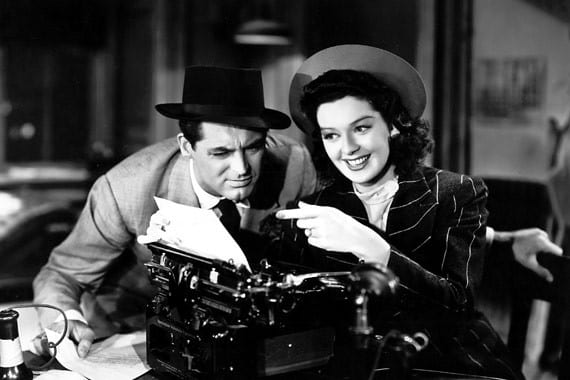
His Girl Friday (1940)
A rapid-fire comedy in which editor Walter Burns (Cary Grant) tries to lure his ex-wife, ace reporter Hildy Johnson (Rosalind Russell), back into journalism — and back into his life. The film is famous for its dialogue, gender politics, and portrayal of journalism as irresistible, addictive, and all-consuming.
The Insider (1999)
Based on a true story, former tobacco executive Jeffrey Wigand (Russell Crowe) becomes a whistleblower with the help of “60 Minutes” producer Lowell Bergman (Al Pacino). The film exposes corporate intimidation, network self-censorship, and the personal cost of telling the truth.
The Killing Fields (1984)
The story follows a New York Times reporter whose coverage of the Cambodian War earns a Pulitzer Prize, while his photographer friend is trapped during Pol Pot’s genocidal regime. It is a powerful exploration of war reporting, moral responsibility, and the unequal risks faced by journalists and local staff.
Network (1976)
Peter Finch delivers an iconic performance as news anchor Howard Beale, whose on-air breakdown becomes a ratings bonanza for his network. A biting satire of television news, the film critiques media sensationalism, corporate control, and the transformation of journalism into spectacle.
Newsies (1992)
This musical dramatizes the real-life 1899 newsboys’ strike, as young newspaper sellers organize against a powerful publisher’s attempt to cut their wages. While light in tone, the film touches on labor rights, media monopolies, and collective action.
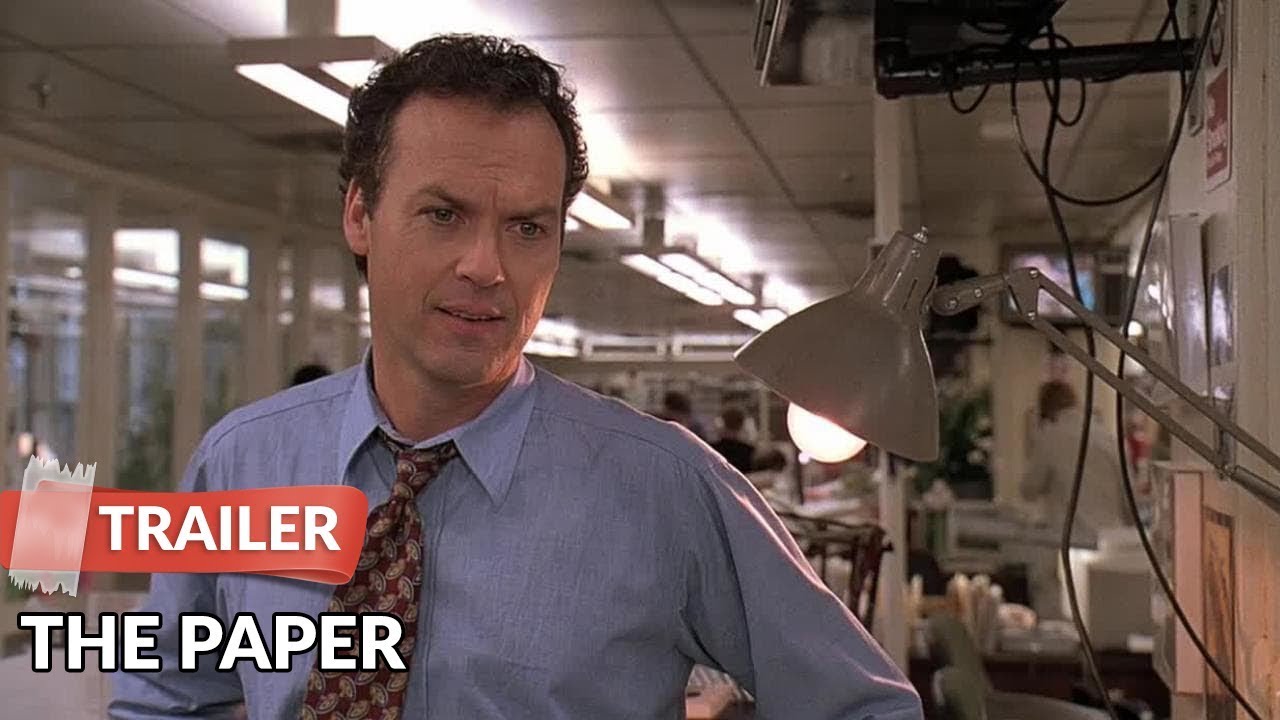
The Paper (1994)
Set over 24 hours in a New York tabloid newsroom, the film captures the relentless pace, ethical dilemmas, and emotional toll of daily journalism. Michael Keaton’s city editor fights to stop a wrongful prosecution while juggling deadlines, editors, and personal consequences.
The Pelican Brief (1994)
Reporter Gray Grantham (Denzel Washington) teams up with a law student (Julia Roberts) to investigate the murder of two Supreme Court justices. The film blends journalism and political thriller tropes, highlighting the role of reporters in exposing powerful conspiracies.
Shattered Glass (2003)
Based on a true story, Hayden Christensen portrays journalist Stephen Glass, whose career implodes after editors discover he fabricated stories at The New Republic. The film is a sharp look at newsroom trust, verification failures, and the dangers of narrative-driven journalism.
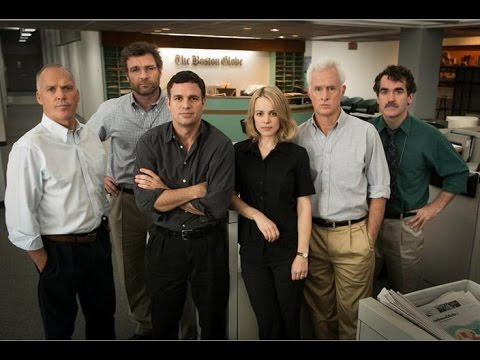
Spotlight (2015)
This Oscar-winning film follows the investigative Spotlight team at The Boston Globe as they uncover widespread sexual abuse by Catholic priests — and a systemic cover-up by the Church. Focused on document digging, source development, and editorial restraint, Spotlight is a rare journalism movie that emphasizes process over personality. It shows how accountability reporting works when done carefully, collaboratively, and over time — and why persistence matters more than drama.
State of Play (2009)
Investigative reporters uncover a web of political corruption tied to the murder of a congressman’s mistress. While the film compresses and exaggerates reporting practices, it effectively captures the pressures, sacrifices, and institutional tensions of modern journalism.
Veronica Guerin (2003)
Based on a true story, Cate Blanchett stars as Irish journalist Veronica Guerin, whose reporting on Dublin’s drug gangs put her directly in the crosshairs of organized crime. The film underscores the personal danger of investigative reporting and the cost of challenging powerful criminal networks — especially in environments where press freedom exists on paper but not always in practice.
The Wire (2002–2008)
Though a television series, not a movie, this HBO drama earns its place for its nuanced portrayal of the Baltimore Sun newsroom alongside police, politicians, and drug dealers. Its journalism arc is widely considered one of the most realistic depictions of newsroom decision-making and decline.
The Year of Living Dangerously (1982)
A young Australian reporter covers political unrest in Indonesia during President Sukarno’s rule, aided by a well-connected photographer. The film explores foreign correspondence, political instability, and the emotional risks of reporting in volatile environments.
Zodiac (2007)
Journalists at the San Francisco Chronicle obsessively pursue the identity of the Zodiac Killer, highlighting the grind of long-term reporting, source verification, and the psychological toll of chasing a story that may never fully resolve.