



‘Out of nowhere it all ended’: Longtime Princeton family separated after ICE raid
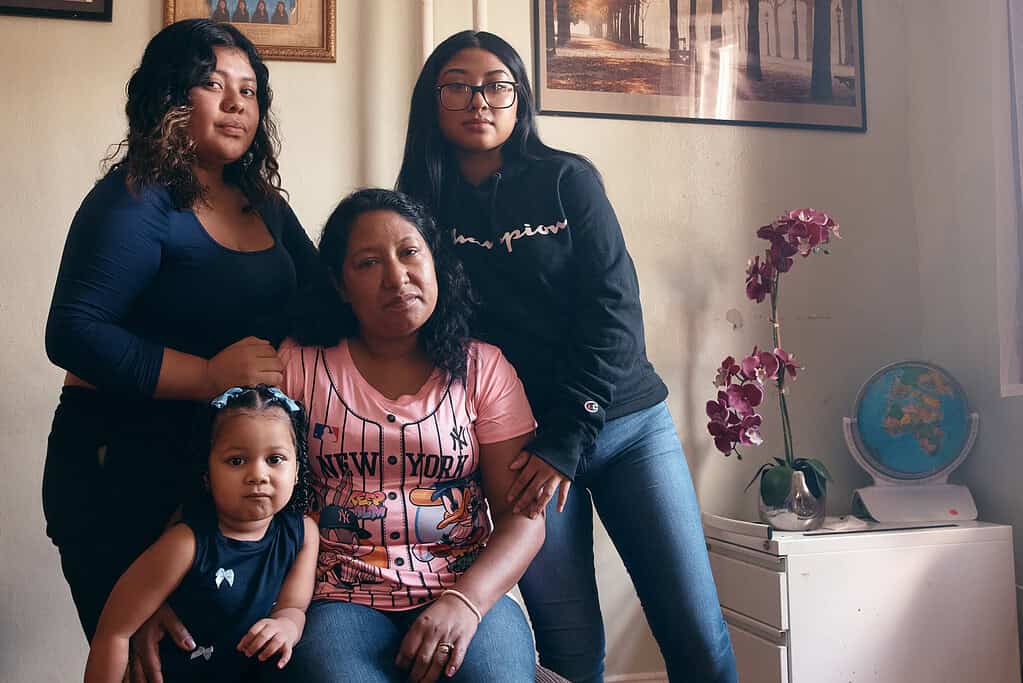
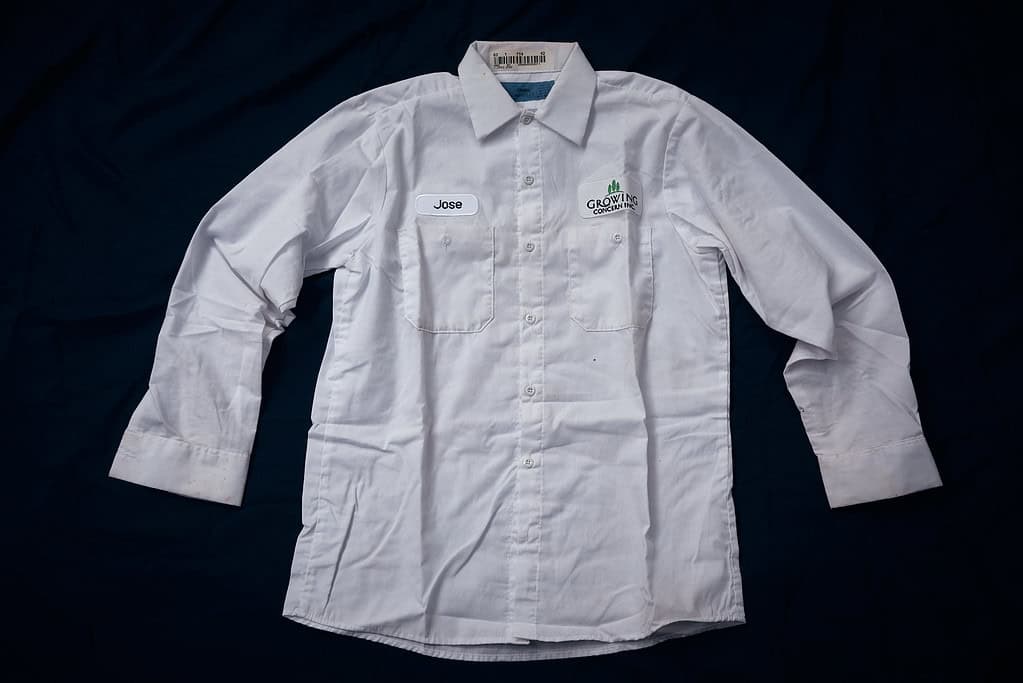
Jose Lopez put on his crisp white work shirt, olive chinos, and brown work boots just like any other day, grabbed the breakfast and hot coffee his wife Consuelo made for him, and stepped out the door half an hour after sunrise. The Witherspoon-Jackson neighborhood was calm in the early morning, the air a comfortable 65 degrees, a welcome break from the July heat wave.
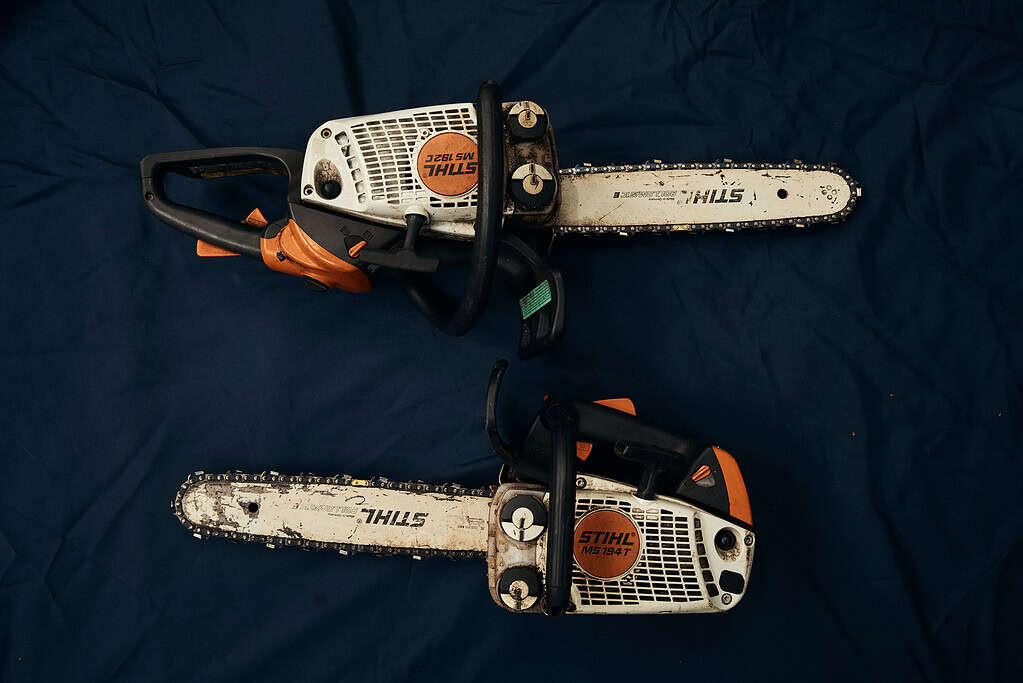
He slid into the driver’s seat of his work van, as he had countless mornings before, heading to the landscaping job he had held for three decades, under the same boss. Soon, 14 co-workers joined him, and they set off in the company van toward Cranbury, about 20 minutes away.
But after turning onto Harrison Street, they encountered trouble. Vehicles boxed in the van from all sides. Federal agents surrounded them. All 15 Princeton men were pulled out, handcuffed, loaded into a Homeland Security van, and taken to the Elizabeth Detention Center an hour away.
“They didn’t identify themselves. They’re the ones asking the questions, and you just have to go along with it,” Jose said during a video interview on Sunday.
Don’t miss the NJ stories that matter. Sign up for our free newsletter →

After 30 years of cutting trees, mowing lawns, and tending gardens for local homeowners and businesses, finding a wife and building a life with four daughters, all born in Princeton, Jose was stunned.
“I never imagined anything like this after so many years,” he said. Besides, he had a valid work permit.
That Thursday morning, July 24, would be the last time Jose saw his wife or daughters in person again.
A father’s disappearance and a family’s search
Consuelo Retana was at her day job as a school aide that morning when her cellphone started ringing nonstop. Her nephews called. Friends tried to reach her. She wasn’t supposed to use her phone on the job, but she realized something must have happened and asked her supervisor if she could take the next call.
It was one of Jose’s nephews. He told her his uncle never showed up for work. Ordinarily, he would be there around 7 a.m., but 8 a.m. came and went, and still no Jose.
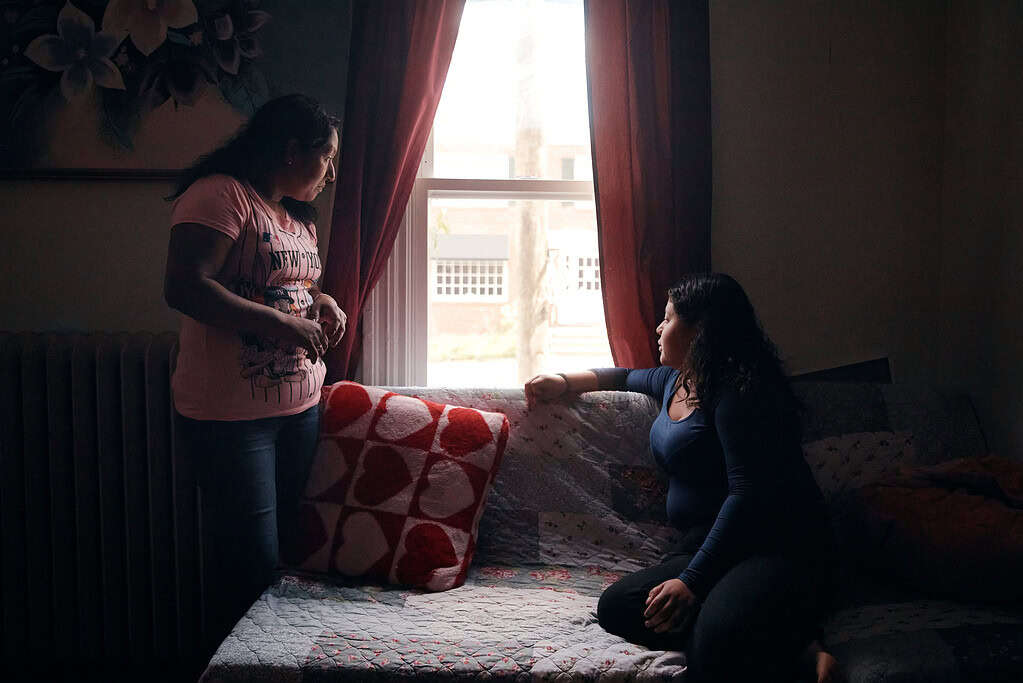
“I said to myself, that’s strange, what could’ve happened? And then I said, maybe they had an accident or something,” Consuelo said. She called her oldest daughter, Emely, who is 24, and asked her to see what she could find out.
Jose’s older daughters searched the streets along his route. They looked on Harrison Street and didn’t notice anything unusual. Emely and her sister Melissa went to the police department just before 9 a.m. and were told officers didn’t know anything. They asked passersby. No one had seen them. They spoke to the owners of the landscaping company, who said they were driving to Princeton to check. Soon, the owners discovered the company van parked off to the side near the fire station on North Harrison Street and told the daughters, who met them there.
“We found all the men’s backpacks. They were all there with their caps, their waters, their coffees, their bread, just that,” Melissa said. “At the beginning, we thought maybe something had happened with the police. Maybe they stopped them or something. But the boss’s son called the police, and they said they had nothing to do with it.”
Later, the daughters went to the local human services office and were told U.S. Immigration and Customs Enforcement had taken men from a van on Harrison Street.
“That’s when we knew it was my dad that they had also taken,” Melissa said.
“Out of nowhere, our life, it all ended,” Consuelo said. “We were never separated from him before. Suddenly, everything fell apart.”
From one detention center to another
Jose called his family at 1 p.m. that afternoon from the Elizabeth Detention Center. He said the men were questioned in a small room, their belongings taken away, their wallets confiscated.
Agents told them they would each receive $1,000 if they signed voluntary deportation papers right then and there.
“Everyone who was with me panicked and signed,” Jose said.
Melissa and her sister urged their father not to do that.
“We told him to tell the others not to sign either, but it was too late because they had already signed the papers,” Melissa said.
Jose thought about his family. He didn’t sign. He was then separated from the group.
“I don’t know why they separated me from the others so quickly, maybe because I had a work permit. … After that, they didn’t ask me anything else,” Jose said.
This reporting is free because readers make it possible. Join them. →
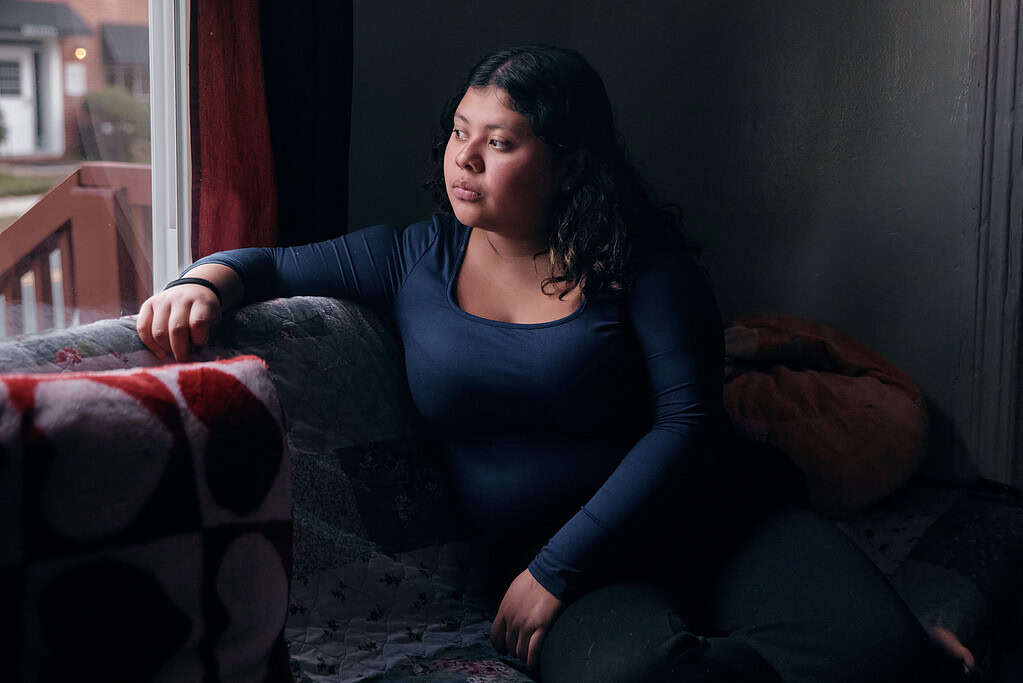
All the other workers in the van were deported swiftly, except one, and the Guatemalan Embassy confirmed the men had returned safely. But Jose’s 17-year-old great-nephew, an unaccompanied minor who also worked at the landscaping company, was sent by the federal government to a Covenant House shelter in Atlantic City. Local activists are hoping to find a Princeton-area family willing to adopt the teen.
After three days in Elizabeth, Jose was transferred to the Moshannon Valley Processing Center in Clearfield County, Pennsylvania, a four-and-a-half-hour drive from Princeton. With 1,876 beds, Moshannon is the largest ICE detention center in the Northeast. Like the Delaney Hall Detention Center in Newark, it is run by the GEO Group, a private prison company.
The site was once a federal prison, also operated by the GEO Group, until it was shut down in 2021 after repeated allegations of human rights violations, including sexual abuse, unsafe conditions, and poor medical treatment. Since it reopened as an immigration detention center, activists have claimed the facility is plagued by abuse, inadequate medical care, and excessive use of solitary confinement. On Aug. 5, a 32-year-old detainee died by suicide after five days at the facility. His death renewed calls from immigrants’ rights advocates to shut the facility down.
Jose said he has not had issues inside Moshannon. The facility avoids overcrowding because it cycles detainees in and out quickly — often moving them to Louisiana at night for deportation.
His strategy to stay out of trouble has been to avoid crowds and large groups. He’s witnessed arguments about bathrooms, the use of tablets to call home, and seating at the eating area.

“There aren’t enough dining tables, only about eight,” Jose said. “My friends and I take our food to our sleeping area and eat there to avoid the crowd and any potential trouble.”
One thing that has helped him get through the ordeal is the other detainees he now calls friends.
“You meet many people here from all over…Everyone talks about their cases. It’s hard,” he said. “But we try to survive…Among friends, you find people from your own country, or from different nationalities — India, South America, Central America, Mexico, Europe — there are many people here.”
What weighs on Jose most, he said, is not the physical conditions but the separation from his loved ones.
“Family is the most important thing, and in my case, I’m the one who looks after everything for all my daughters and my wife,” he said. “I’m the only provider in the house, the only man. I’m a father and a husband. That’s why everything is so hard for me being in here.”
Life in Princeton without a father
At home, Jose’s absence has left a void.
“My mom was sad and still is,” said Melissa. “All of us were. We still are. Those first days were really hard.”
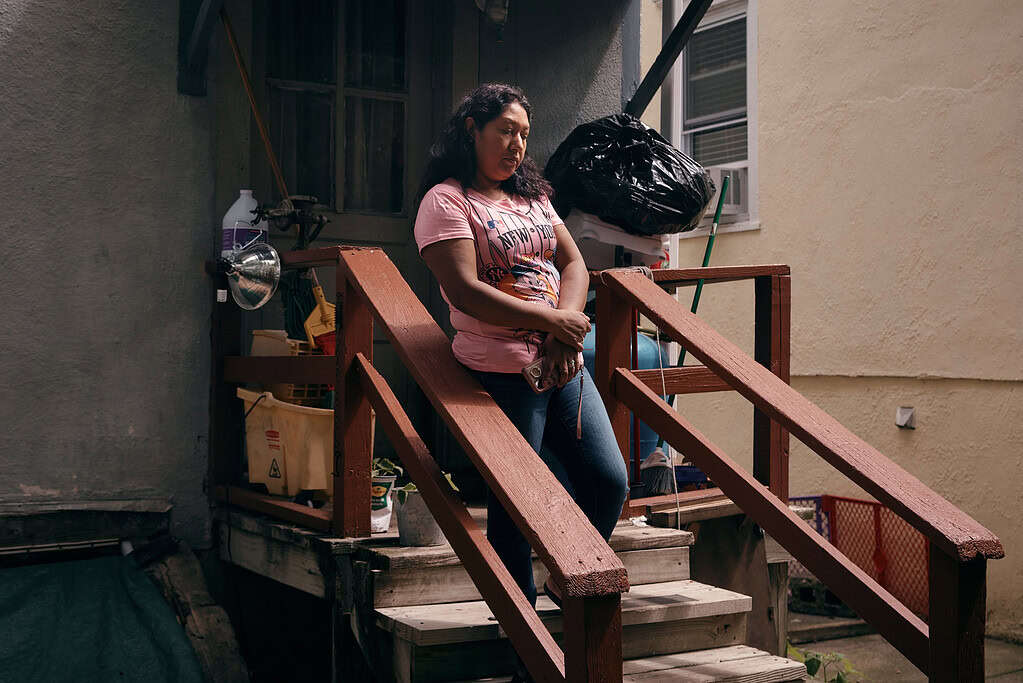
Consuelo said the family had never been separated from Jose before.
“We’ve always been together, and out of nowhere, everything fell apart, and we feel sad,” she said.
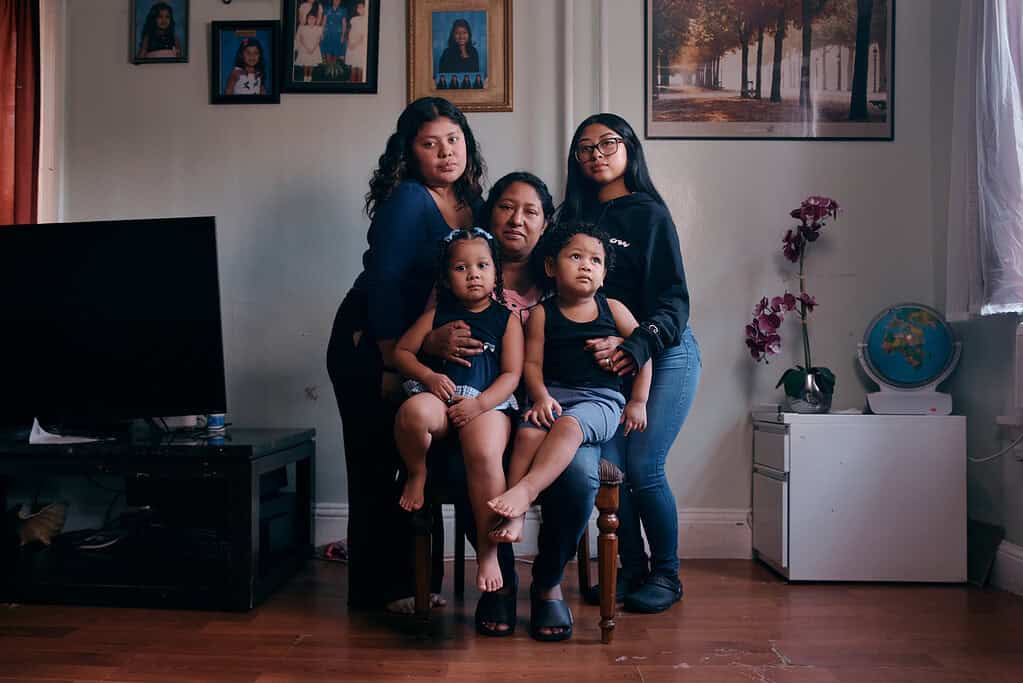
The family also struggled because Jose was the one who worked the most to pay for the house, the rent, and other expenses to support his wife, four daughters, and two small grandchildren.
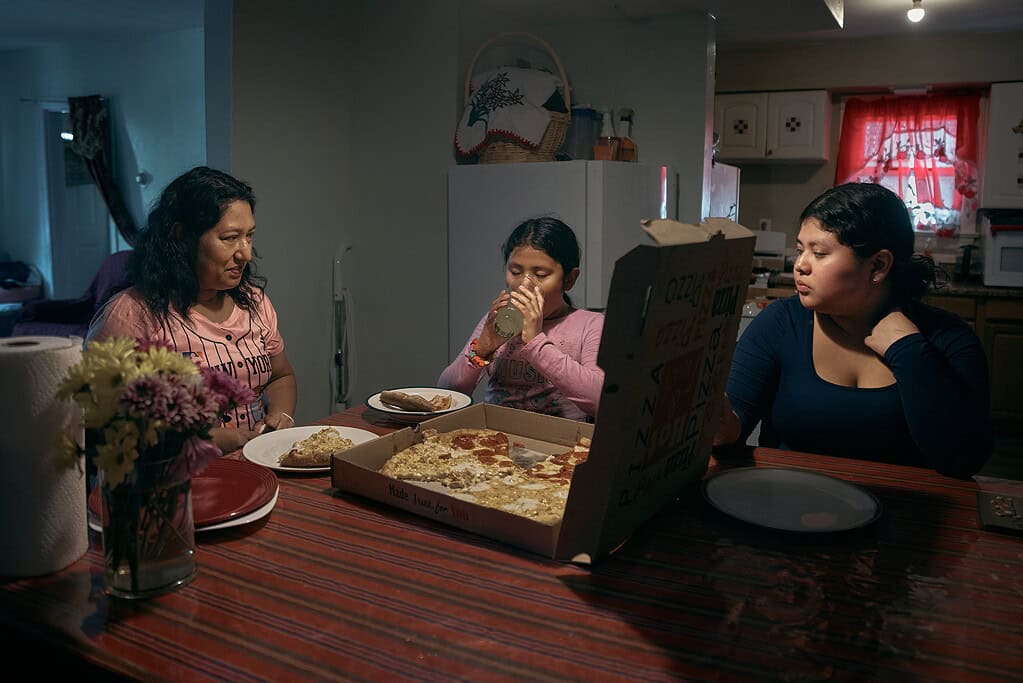
Jose worked every day, often heading out at 6 a.m. and coming home at 4 or 5 p.m. He would eat dinner with his family and make sure they were all doing well. Sometimes he stayed in for the night, but often he went back to work to finish a job and came back home around 7 p.m.
“My dad means a lot to me,” Melissa said. “He’s always been a good father. He’s always been present. Ever since I was really little, he made sure that my sisters and I had a good education. He always set a good example of being a good person with everyone and being respectful. He’s always supported us in everything. He always tells us to keep moving forward.”
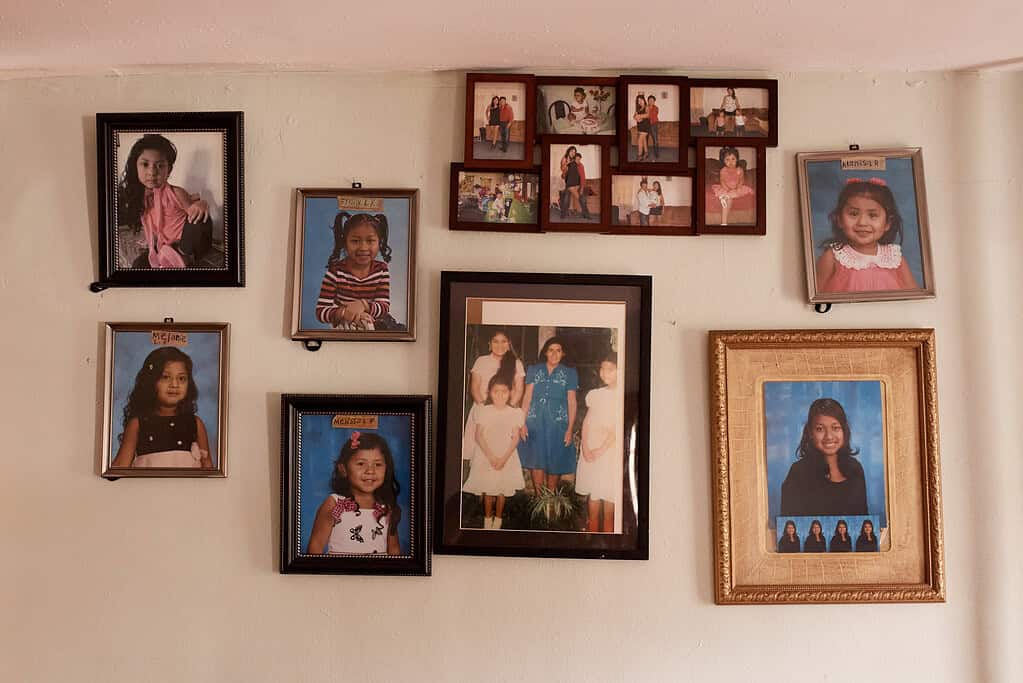
Melissa said her dad always prioritized meetings, celebrations, and other school events, taking time off from work to go to appointments.
“If I needed something for school, he helped me get it,” she said. “Maybe it was a pair of shoes, a backpack, whatever I needed, he got it for me. Whenever I had a difficult time at school, he always talked to me and told me to do my best.”
Jose worked long hours to provide everything his family needed, but he liked to work and be able to provide for them.
“Maybe we don’t have everything, but we have our house, food, family, and that’s what makes us happy,” Melissa said.
Consuelo recalled how Jose often would come home tired, but still made time to go for a walk in the park or grab a bite to eat.
“He was always on top of school matters,” she said.
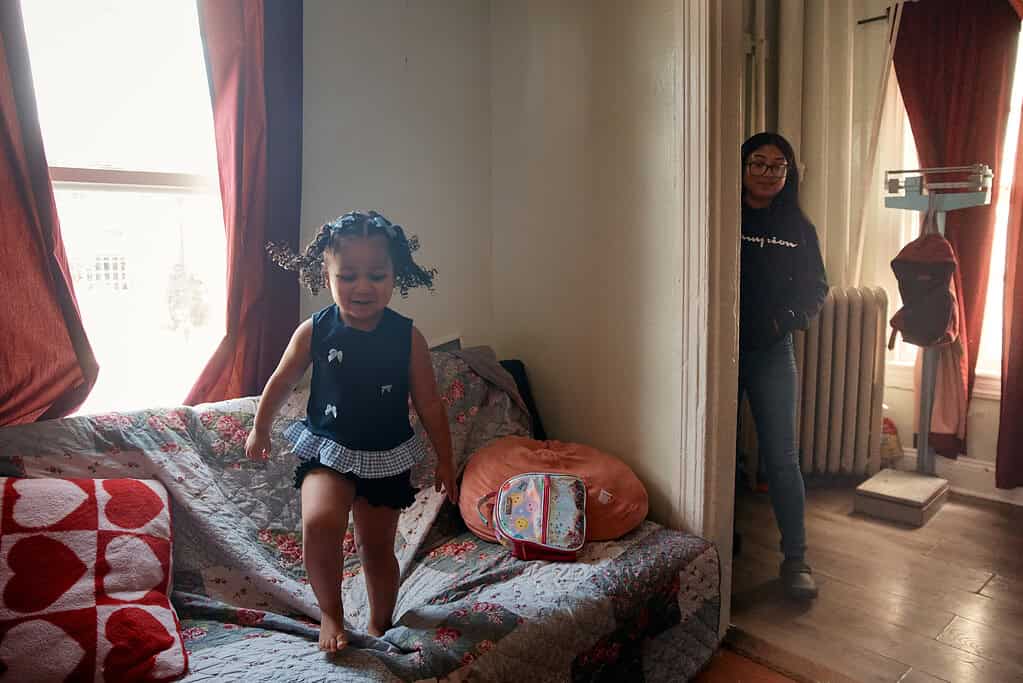
Jose’s youngest daughter, who is only 10, has struggled the most. Once cheerful, she became depressed and didn’t want to eat or sleep after he was detained. At first, she would call her dad’s cellphone and ask, “Mommy, why doesn’t Daddy answer me?”
It didn’t help that some kids she knew from school told her that her dad was taken away and she was never going to see him again.
“We had to tell her that my dad is on vacation because we know if we tell her the truth, she’s too little…We make sure my dad calls her every day so that she knows he’s okay,” Melissa said.
Consuelo worried about how to keep the household together without her husband’s steady income.
Melissa, 16, and Melanie, who just turned 18, are both working to help pay the bills.
Shortly after Jose was detained, the family felt desperate, worried about how they would manage without Jose. Then the Princeton community stepped up to lend a hand. Nassau Presbyterian Church created a fund to help pay for legal fees and other expenses. Housing Initiatives of Princeton offered to help cover rent.
“With all the help, we felt like yes, there’s hope that our dad can get out on a bond,” Melissa said.
“Thank God the boss has helped us, and we’ve had a lot of support,” Consuelo said. “We’ve met many people who have given us a lot of encouragement. If it weren’t like that, I don’t know what would happen with us.”
Thoughts and fears
Melissa said she hopes others will see her father as more than a case file.
“Think about how you would be affected if this ever happened to your family. My dad wasn’t doing anything wrong. There is a difference between taking people who are bad and people who are good. These people don’t care; they don’t think about how it will affect us, how we would feel or anything like that. They just do it because they don’t want us here,” Melissa said. “We don’t do anything wrong in this country. All we do is work. My dad and my mom came here since they were very young and they lived their whole adult life here, basically to start a new life and to provide for me and my sisters. For them to go back out of nowhere…”
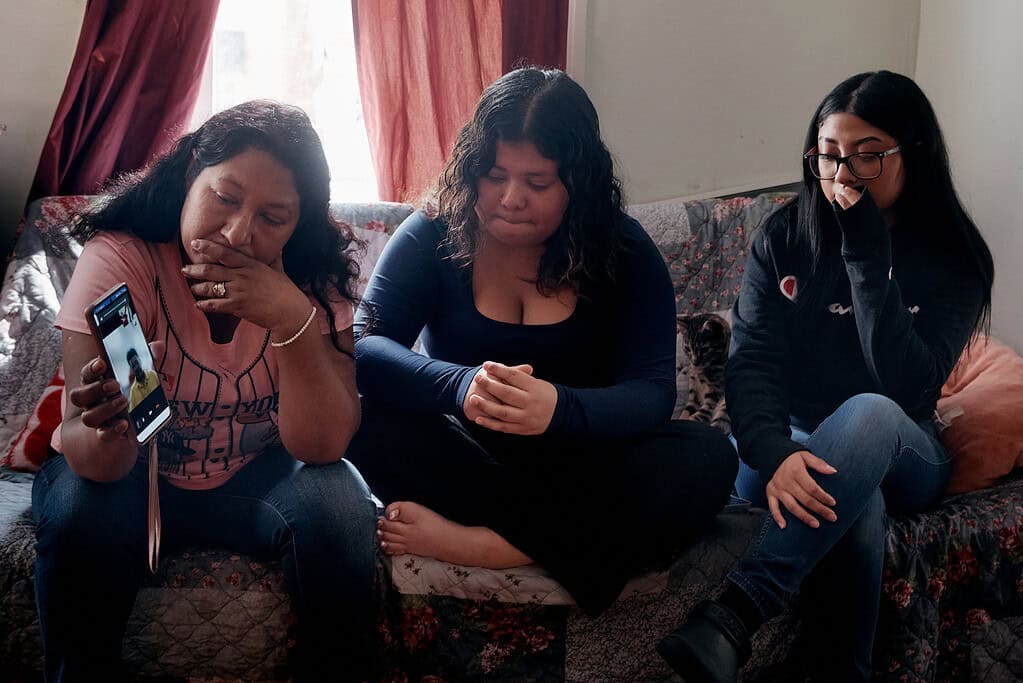
She believes deportation efforts are shaped not only by paperwork but by skin color.
“Even though I was born here and I have American blood, I still feel like, walking outside just to the corner store, people can judge me,” she said.
Her sister Melanie worries about being detained herself, despite being a U.S. citizen.
“I’ve heard a lot of stories about citizens being held in detention centers and not being let out, with officials claiming they have false papers, and that is what really scares me the most,” she said.
The family fears what will happen if Jose is deported.
Melissa said she always saw Princeton as a very supportive community.
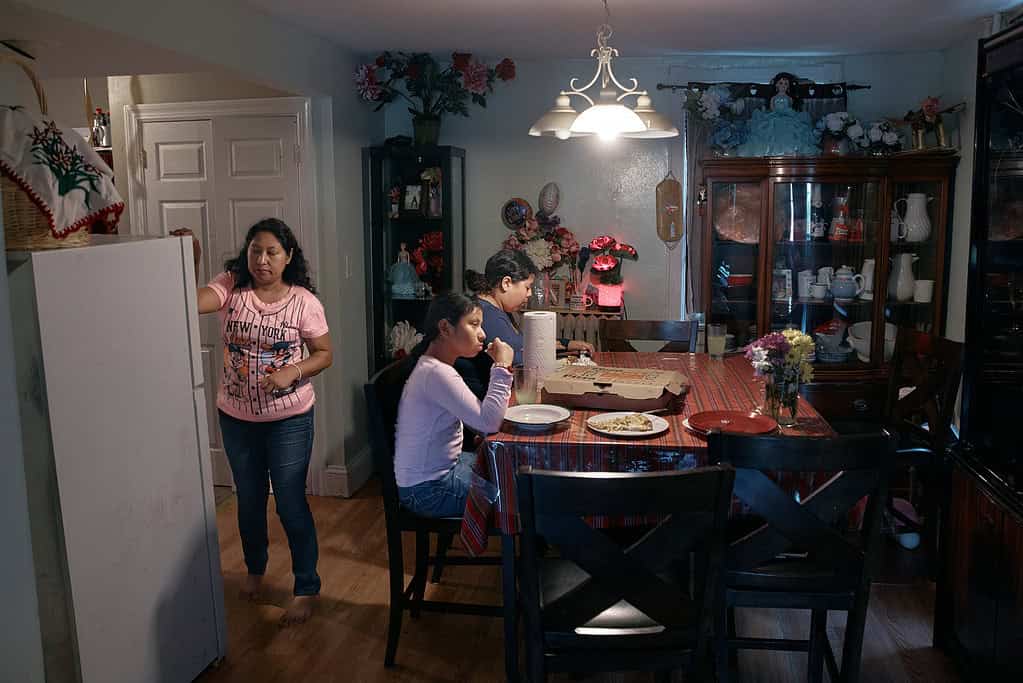
“I never thought it would affect Princeton this much as it has now,” Melissa said. “I know there are some people who are against ICE, but there are also people who do support it. I don’t understand how people could ever do that because I know a lot of people have heard stories of how they just take people’s fathers, their mothers, their kids, as if it were something normal. I don’t think it should be normal at all. I feel there should be something to stop this and not continue at all because it is affecting everybody.”
Melanie said people need to be more alert and informed in the community. Melissa thinks local authorities should help protect the community more and not let the situation become normalized.

If their father is deported, the family does not know what they will do. Melanie has one more year of high school and feels she is not independent enough to make it on her own without her father.
“It would be a difficult decision we would have to make if he is deported,” Consuelo said. “The girls were born and raised here…The bills, the schooling, it would be a lot more difficult for me, because when they start studying, they’re not going to be able to work much either.”
Consuelo is worried about how her youngest child will react if Jose is forced to leave.
“That’s why I hope to God that he comes back home so that we can be together again, happy like before,” she said. “All this is not easy. I get sad, but I make myself strong for them, so that they don’t feel bad, because if I don’t encourage them, imagine what would happen?”
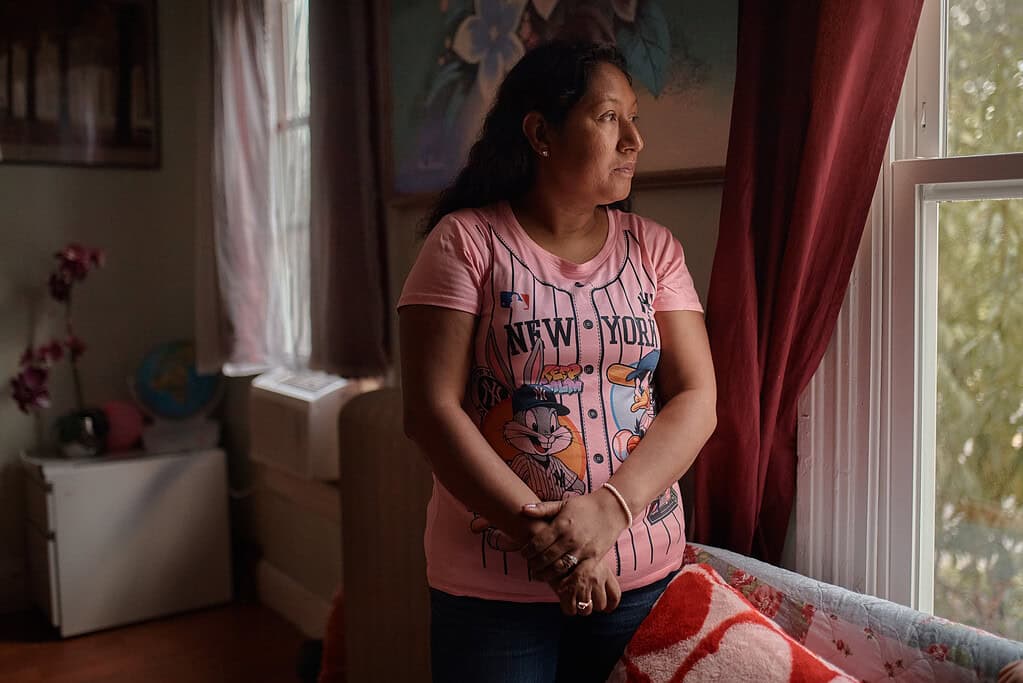
Jose’s greatest fear is being separated from his family. He also doesn’t know what he will do if he has to go back to Guatemala after 30 years away.
“I have no idea what life would be like again — making new friends, finding a job, starting over. That’s all difficult. It would be a new life, and right now I don’t know anyone. My mother died 10 years ago, and I couldn’t even go back. The people I grew up with, some are there, some aren’t, and those who are, I don’t even know who they are anymore. That’s traumatic for me. And then, here, I don’t know how my family will survive — my daughters, my wife.”
Jose made the difficult journey from Jalapa, Guatemala, when he was only 20, crossing the southern border to build a better life for himself. He met Consuelo, who is also from Guatemala, early on after settling in New Jersey. They first saw each other in a store. After that, they were inseparable. They always dreamed of their children having a good education and a better life.
“I think everyone who comes here comes seeking the American dream, hoping to make it real. Maybe not 100 percent, since we’re low-income families, but I’ve instilled in my daughters that they must study,” Jose said. “I want them to study, to be different from me. They’re still studying, and I’d like them to continue. I wish I could at least stay here until my youngest finishes high school. After that, I don’t know how their studies will continue.”
Holding on to hope
Despite his difficult circumstances, Jose remains thankful.
“I’m grateful to this country because we’ve been able to eat, drink, and have good nutrition. Life has been better here,” he said. “But now I’m at a point where I don’t know what’s going to happen.”
Jose has an open case with immigration, and he has a valid work permit. ICE did not have a warrant for the July 24 stop, according to his lawyer, Bielka Tortorelli.
His custody redetermination hearing is this Thursday, Aug. 28, at 1 p.m., via Zoom. An immigration custody redetermination hearing is an opportunity for a detained person to ask an immigration judge to review a decision by U.S. Immigration and Customs Enforcement regarding their release on bond. The judge determines if the individual should be granted bond, considering factors like flight risk and danger to the community.
Factors for release are that he is not a danger to society and will go to all future court appearances. Tortorelli said that at any other time, Jose’s release would be highly likely. In the current political climate under the new administration, things are more challenging. But the ACLU has been successful in challenging bond denials in federal court, arguing that prolonged detention without a hearing violates the constitutional right to due process.
Tortorelli is seeking a cancellation of removal for Jose, who applied for asylum based on race several years ago through a prior attorney.
“Prosecutorial discretion is not easily given under the present administration,” Tortorelli said in an email.
Jose and his family, buoyed by the support of the Princeton community, are trying to remain optimistic about the outcome.
“I’m praying to God that everything goes well, that there’s a ray of hope so I can continue with my family here if I’m granted bail,” Jose said. “May God be in the heart and mind of the judge, so he sees my case clearly, sees that I need to be here with my family, so I can keep fighting, and put everything in order. That’s my hope, and I’m putting all that hope in God and in good people.”
Building a more informed New Jersey, one story at a time.
The Jersey Vindicator is funded by readers who believe New Jersey needs tough, independent reporting that serves the public. No paywall. No spin. Just deeply reported journalism that helps people understand what’s happening in our state.
If you believe this work matters, please contribute today.

Krystal Knapp is the founder, executive director, and publisher of The Jersey Vindicator and the founder of Planet Princeton. She has more than two decades of experience reporting in New Jersey, including 10 years at The Trenton Times, where she was the newsroom’s public records and computer-assisted reporting expert. Her work has been recognized by the New Jersey Press Association and the Center for Cooperative Media. You can reach her at Krystal AT jerseyvindicator.org.