

NJ Transit faces rising costs as board weighs $3.5 billion budget
Fares are up 3% as the board weighs major rail projects and transportation contracts
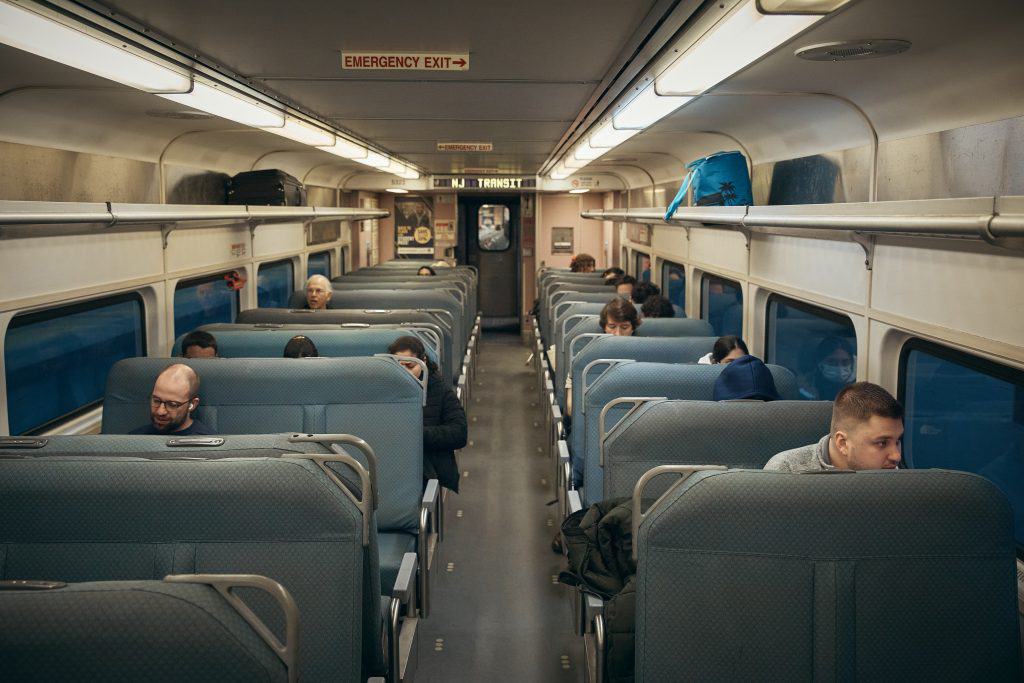
NJ Transit’s board is expected to vote Thursday, July 16, on a $3.5 billion operating budget that relies more heavily on state funding to cover rising labor, materials, and transportation costs, weeks after the agency raised fares for riders.
The proposed fiscal year 2027 budget is 11% higher than last year’s $3.16 billion spending plan. It includes a 3% fare increase that took effect July 1, the latest annual hike under a policy approved by the NJ Transit board in 2024.
Despite the higher fares, NJ Transit is budgeting for $980 million in fare revenue, the same amount it budgeted last year. The agency actually expects fare revenue to increase by $48.1 million over its projected fare revenue. NJ Transit said the increase reflects the fare hike, higher ridership, and efforts to reduce fare evasion.
Labor and fringe benefits are expected to cost nearly $2.05 billion, accounting for almost 60 cents of every dollar NJ Transit spends. Those costs are rising by $207.5 million, or 11.3%, over last year’s budget.
The agency attributed much of the increase to contractual wage costs and a return to more normal staffing levels after pandemic-era vacancies. NJ Transit’s vacancy rate has fallen from about 8% during the pandemic to 3%.
Materials and supplies are expected to cost $267.4 million, a 19.1% increase. Tolls and other transportation fees are rising 21.4%, driven in part by a $19.3 million increase in Port Authority tolls and fees.
Costs for Access Link, NJ Transit’s paratransit program for people with disabilities who cannot use regular bus or rail service, are also increasing sharply.
State funding fills a growing share of the budget
State funding will account for 49% of NJ Transit’s revenue in the new fiscal year, up from 46% in the previous budget.
NJ Transit is receiving a $1.07 billion state operating subsidy, a 28.3% increase over last year. That includes $302.2 million from the state general fund and $765.6 million from the Corporate Transit Fee.
The fee, created as part of the state’s fiscal year 2025 budget, imposes a 2.5% levy on New Jersey businesses with net profits of $10 million or more. Most of the money generated by the fee is designated for public transportation.
NJ Transit will also receive $485 million from the New Jersey Turnpike Authority, $140.1 million from the state’s Clean Energy Fund, and $40 million from the Transportation Trust Fund for preventive maintenance.
Federal preventive maintenance funding will increase by $90 million to $424 million.
NJ Transit has faced a long-running structural problem: Its budget has grown an average of 4.5% over eight years, while costs have increased an average of 5.4%.
Access Link contract and transportation grants
The board will also consider a five-year, $183.8 million contract with Easton Coach Company to operate Access Link service in Burlington, Camden, Cumberland, Gloucester, and Salem counties.
Federal law requires public transit systems that operate fixed bus and rail routes to provide paratransit service for people with disabilities.
NJ Transit said Access Link contract costs are increasing 22%, adding $33 million to the operating budget. The agency is separately budgeting $10 million to enhance the Access Link call center.
The board is also expected to authorize $106.5 million in transportation grant programs serving senior citizens, people with disabilities, and rural and low-income residents. That includes $56.9 million for the Senior Citizen and Disabled Resident Transportation Assistance Program, up from $46.1 million last year. The grants support transportation for medical appointments, jobs, grocery shopping, education, and other needs.
Aging rail infrastructure in Kearny
Two major rail infrastructure projects in Kearny are also on Thursday’s agenda.
The board will consider authorizing nearly $26 million toward the Sawtooth Bridges project, a key part of the broader Gateway rail program.
The bridges, more than 117 years old, carry Northeast Corridor trains through Kearny and are considered a major bottleneck on what NJ Transit describes as the most heavily traveled passenger rail corridor in North America.
The project received a $133.3 million federal grant, with NJ Transit and Amtrak responsible for a $33.3 million non-federal match.
The board will also vote on providing up to $15.1 million toward replacing an Amtrak electrical substation built in the early 1930s.
Substation 41 supplies traction power to Amtrak and NJ Transit trains between Newark Liberty International Airport and Secaucus Junction and serves as a backup power source for the North River Tunnel into New York Penn Station.
The aging facility was severely damaged during Superstorm Sandy in 2012, when floodwaters reached 13 feet and disrupted rail service for three weeks. A new substation will be built on an elevated platform designed to better withstand future flooding and extreme weather.
World Cup costs and a long-term real estate plan
NJ Transit’s budget also includes $743,000 for additional bus service related to the 2026 FIFA World Cup.
Another $7.6 million budgeted last year for additional security, ambassadors, and rail service is being carried into the new fiscal year.
Separately, NJ Transit’s annual real estate report outlines a 30-year plan to develop underused agency-owned properties.
The agency estimates the effort could generate nearly $2 billion for NJ Transit and $1.6 billion in revenue for municipalities while supporting the construction of 20,000 housing units and the creation of 50,000 jobs.
NJ Transit sold parking lot properties in Linden and Hamilton to the New Jersey Economic Development Authority for $6.5 million and $14.5 million, respectively, during the past fiscal year. The agency is also evaluating a roughly 2-acre property in Dover for a potential future sale.
The board meeting begins at 11 a.m. Thursday at NJ Transit headquarters at Two Gateway Center in Newark. The meeting will also be livestreamed on NJ Transit’s website.

Krystal Knapp is the founder, executive director, and publisher of The Jersey Vindicator and the founder of Planet Princeton. She has more than two decades of experience reporting in New Jersey, including 10 years at The Trenton Times, where she was the newsroom’s public records and computer-assisted reporting expert. Her work has been recognized by the New Jersey Press Association and the Center for Cooperative Media. You can reach her at Krystal AT jerseyvindicator.org.