

Sandoz reaches $400 million settlement in generic drug price-fixing case
New Jersey and 42 other states and territories accused the generic drugmaker of conspiring with competitors to inflate prices and limit competition.
Sandoz Inc. has agreed to pay $400 million to settle allegations by New Jersey and 42 other states and territories that the generic drug manufacturer conspired with competitors to inflate prices and limit competition.
If finalized and approved, the agreement would bring Sandoz’s total payments to state law enforcement agencies to about $469 million, including money paid through previous settlements with other states, Attorney General Jennifer Davenport announced Tuesday.
“Generic drugs are supposed to provide an affordable option for consumers, but collusion by Sandoz and other companies has forced up the prices for these necessary medicines,” Davenport said in a statement. “This agreement in principle with Sandoz is another effort to drive down the cost of prescription drugs, and this is not the end of our work to hold pharmaceutical companies accountable when they fix prices to boost their profits.”
Claims against Sandoz’s current and former international affiliates, including Novartis AG, Sandoz AG, and Sandoz Group AG, would also be resolved. State officials accused the affiliates of participating in anticompetitive conduct and fraudulently transferring assets from Sandoz to avoid liability.
As part of the proposed agreement, Sandoz would make internal changes intended to promote fair competition and ensure compliance with antitrust laws. Final approval depends on obtaining signatures from all required states and territories.
New Jersey is part of a coalition pursuing a series of antitrust cases against some of the nation’s largest generic drug manufacturers. The states accuse the companies and their executives of coordinating prices and dividing markets rather than competing.
Settlements totaling about $96.5 million have already been reached with Glenmark, Lannett, Bausch, Apotex, and Heritage Pharmaceuticals.
Three complaints filed by the states cover dozens of drugmakers, executives, and generic medications. One complaint filed in 2019 names Teva Pharmaceuticals and 21 other generic drug manufacturers. Another focuses on 80 medications that generated billions of dollars in U.S. sales.
According to the states, drug company executives met during dinners, lunches, cocktail parties, golf outings, and social gatherings to discuss prices and also allegedly coordinated through phone calls, emails, and text messages.
Court filings describe executives using phrases such as “fair share,” “playing nice in the sandbox,” and “responsible competitor” to refer to agreements that discouraged competition and increased prices.
Investigators built the cases using information from cooperating witnesses, more than 20 million documents, and millions of phone records involving over 600 sales and pricing employees in the generic drug industry, according to the Attorney General’s Office. Several former pharmaceutical executives are cooperating with the states.
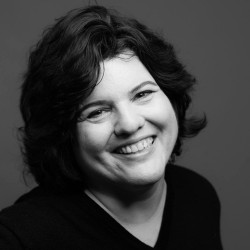
Krystal Knapp is the founder, executive director, and publisher of The Jersey Vindicator and the founder of Planet Princeton. She has more than two decades of experience reporting in New Jersey, including 10 years at The Trenton Times, where she was the newsroom’s public records and computer-assisted reporting expert. Her work has been recognized by the New Jersey Press Association and the Center for Cooperative Media. You can reach her at Krystal AT jerseyvindicator.org.